

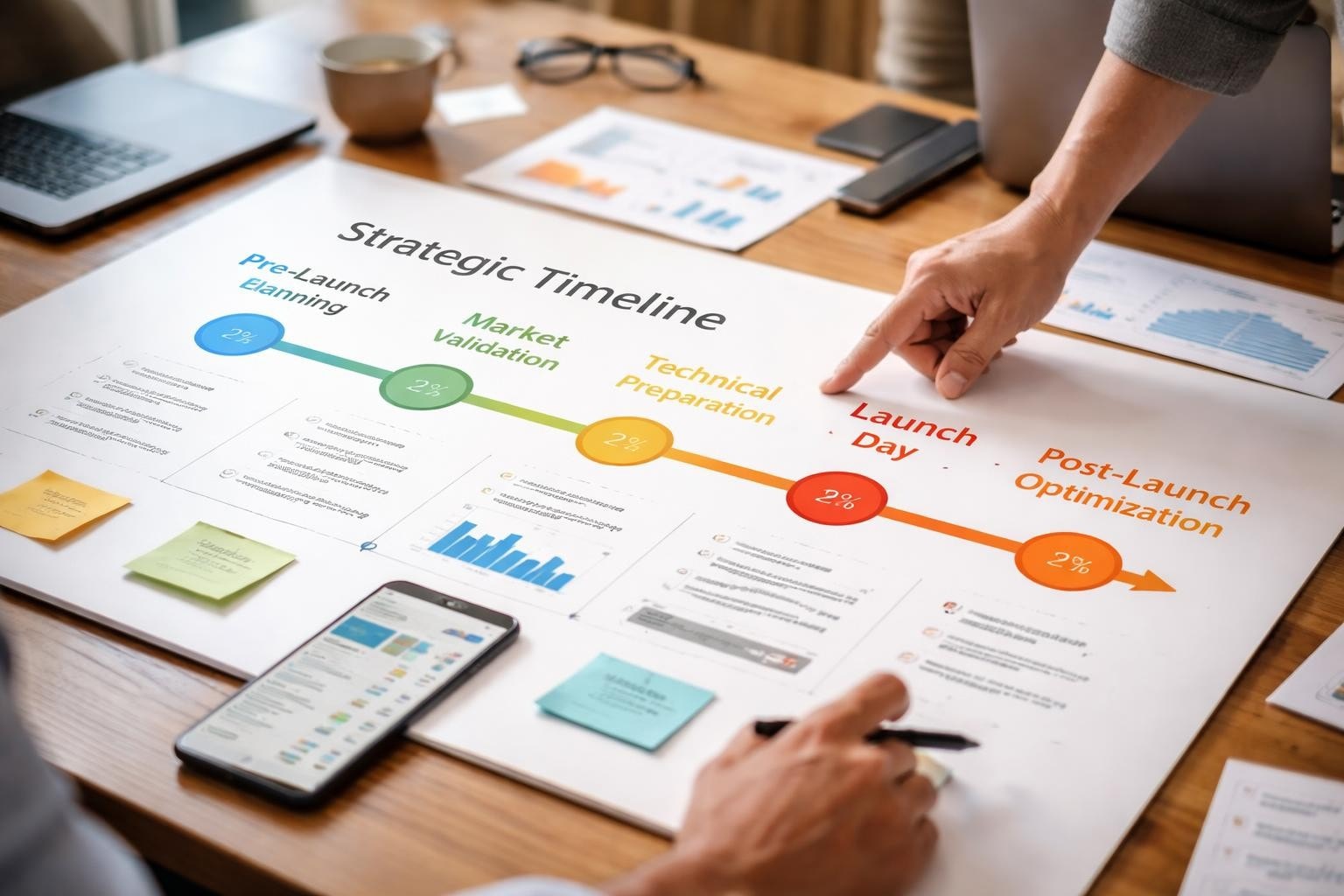
Launching an application represents one of the most critical moments in a startup's journey. Whether you're introducing a mobile app, web platform, or hybrid solution, the success of your app launch can determine whether your product gains traction or fades into obscurity. For entrepreneurs and founders, understanding the complexities of bringing a new application to market requires careful planning, strategic execution, and continuous optimization. The landscape of app launches has evolved significantly, with users expecting polished experiences and immediate value from the first interaction.
Understanding the App Launch Landscape
The current environment for app launches differs dramatically from even a few years ago. With millions of applications available across various platforms, standing out requires more than just a functional product. Market saturation has intensified competition, making it essential for founders to approach their app launch with a comprehensive strategy that extends beyond technical readiness.
Market Dynamics and User Expectations
Today's users exhibit sophisticated expectations shaped by years of interacting with refined applications. They demand seamless onboarding, intuitive interfaces, and immediate problem-solving capabilities. Research indicates that user behavior patterns have shifted considerably, with longitudinal studies revealing changing engagement trends that inform how founders should structure their launch approach.
The average user spends mere seconds deciding whether to continue using a new application. This reality makes the initial impression during your app launch absolutely crucial. Performance optimization, particularly during startup, directly influences retention rates and user satisfaction.
Pre-Launch Planning and Preparation
Success begins long before the actual app launch date. Strategic groundwork lays the foundation for market reception and determines how effectively you can capitalize on launch momentum.
Defining Your Launch Objectives
Every app launch should align with measurable business objectives. Consider these critical questions:
- What specific user acquisition targets will validate success?
- Which metrics will you track to measure engagement and retention?
- How will you gather and incorporate user feedback immediately post-launch?
- What market penetration level constitutes a successful initial launch?
Establishing clear criteria allows you to evaluate performance objectively and adjust strategies based on data rather than assumptions. Defining success criteria enables teams to maintain focus throughout the intense launch period.
Technical Readiness and Performance Optimization
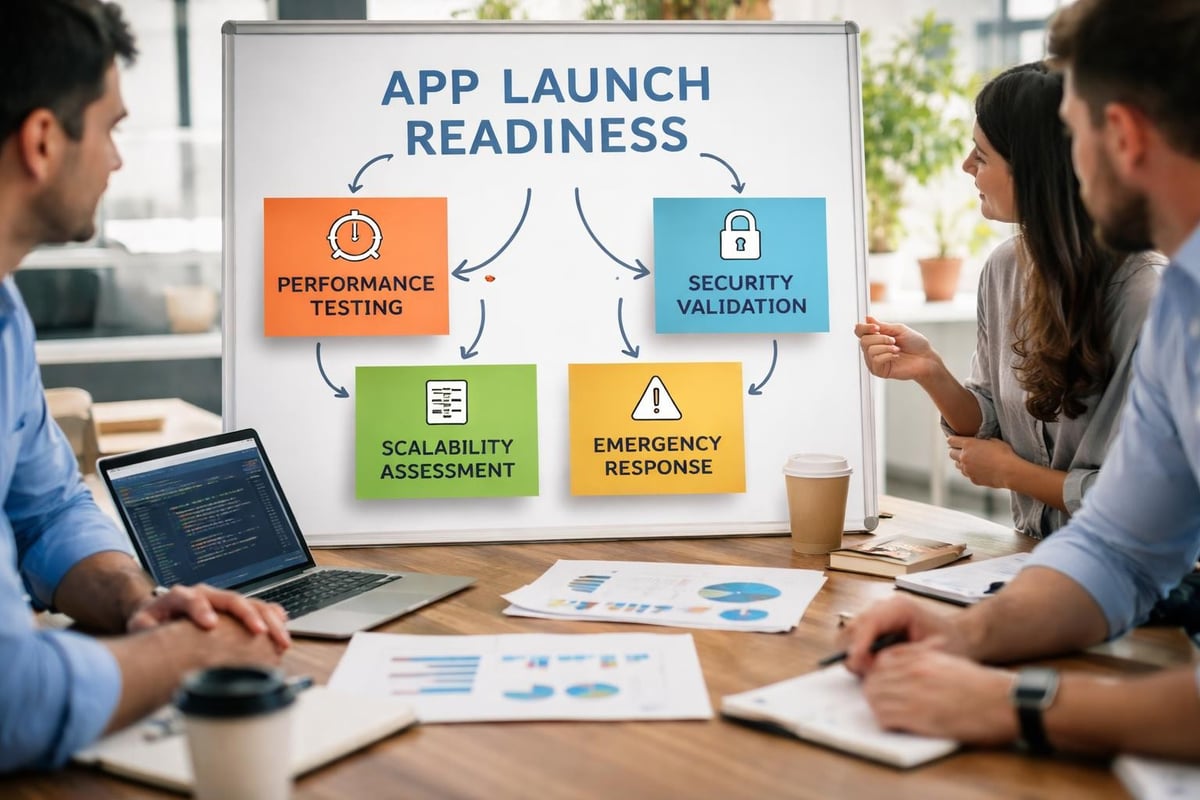
Technical preparation extends beyond functionality testing. Performance during the critical first moments significantly impacts user perception. Following established best practices for app startup optimization ensures users experience smooth, responsive interactions from their very first session.
| Preparation Area | Key Activities | Timeline |
|---|---|---|
| Performance Testing | Load testing, stress testing, bottleneck identification | 4-6 weeks before launch |
| Security Audit | Vulnerability assessment, data protection verification | 3-4 weeks before launch |
| Beta Testing | Closed beta, open beta, feedback incorporation | 2-4 weeks before launch |
| Infrastructure Scaling | Server capacity planning, CDN configuration | 2-3 weeks before launch |
For founders working with no-code platforms, understanding how these tools compare with traditional development approaches helps set realistic expectations for launch readiness and scalability.
Building Pre-Launch Momentum
Creating anticipation before your app launch amplifies initial adoption and provides valuable early feedback opportunities.
Establishing Your Digital Presence
A successful app launch requires establishing credibility and visibility across multiple channels. Building a strong online presence through dedicated landing pages and social media accounts generates pre-launch interest and captures potential users before your official release.
Your digital presence should communicate:
- Clear value proposition explaining exactly what problem your application solves
- Target audience specificity demonstrating understanding of user needs
- Social proof including testimonials, beta user feedback, or expert endorsements
- Launch timeline creating urgency and anticipation
Early Access and Beta Programs
Strategic beta programs serve dual purposes during the app launch preparation phase. They generate buzz whilst providing critical real-world testing data that identifies issues before broader release.
Consider implementing tiered access:
- Closed beta for trusted users who provide detailed feedback
- Open beta for broader testing and community building
- Early access for engaged users willing to provide testimonials
These programs create invested user communities that become advocates during your official app launch.
App Store Optimization Strategies
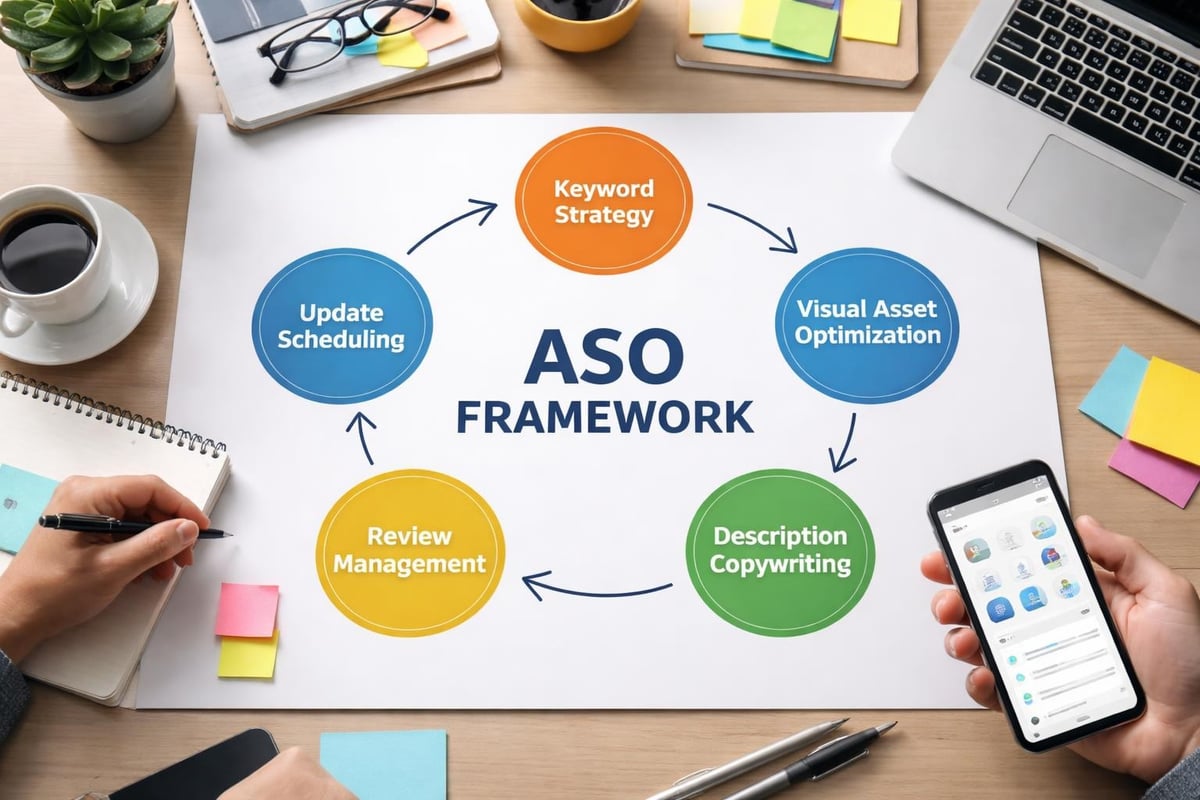
Visibility within app marketplaces fundamentally determines how many potential users discover your application. App Store Optimization (ASO) encompasses techniques that increase organic discoverability and conversion rates.
Keyword Research and Implementation
Strategic keyword placement influences where your application appears in search results. Focus on:
- Primary keywords directly describing your app's core function
- Long-tail keywords capturing specific user intent
- Competitor analysis identifying gaps in keyword coverage
- Localization adapting keywords for different markets
The importance of keyword optimization extends to app titles and descriptions, making these elements critical components of your app launch strategy.
Visual Assets and Conversion Optimization
Your app store presence must convert browsers into users. Professional visual assets including:
| Asset Type | Purpose | Best Practices |
|---|---|---|
| App Icon | First impression, brand recognition | Clear, simple, distinctive design |
| Screenshots | Feature demonstration, use case clarity | Annotated, showing key workflows |
| Preview Video | Engagement, value communication | 15-30 seconds, immediate hook |
| Feature Graphics | Additional context, seasonal updates | High-quality, consistent branding |
Effective App Store page optimization combines compelling visuals with strategic messaging that resonates with your target audience.
Launch Day Execution
The actual app launch day requires coordination across multiple workstreams to maximize impact and handle unexpected challenges.
Coordinated Communications
Timing announcements across channels creates synchronized awareness. Your launch day communications should include:
- Press releases distributed to relevant media outlets
- Social media announcements across all platforms
- Email campaigns to waitlist subscribers
- Community platform posts in relevant forums
- Influencer partnerships and reviews
For internal or enterprise applications, effective employee communication strategies ensure smooth adoption across organizations.
Monitoring and Rapid Response
Launch day inevitably brings unexpected challenges. Establish monitoring systems that track:
- Server performance and capacity utilization
- Crash reports and error frequencies
- User feedback across all channels
- App store review submissions
- Download and activation rates
Rapid response capabilities allow teams to address critical issues before they compound. Having dedicated support channels ready ensures users receive immediate assistance during their first experiences.
Post-Launch Optimization and Growth
The work intensifies after your app launch, with optimization efforts determining long-term success.
Data-Driven Iteration
Analyzing user behavior data reveals optimization opportunities. Track metrics including:
- Activation rates measuring how many downloads convert to active users
- Session duration indicating engagement depth
- Feature adoption showing which capabilities resonate
- Retention curves revealing when users disengage
- Conversion funnels identifying friction points
This data informs prioritization of improvements and guides resource allocation for maximum impact.
Continuous Improvement Cycles
Successful applications evolve based on user needs and market conditions. Establishing regular update cycles maintains momentum after your initial app launch:
Week 1-2: Address critical bugs and performance issues Week 3-4: Implement quick-win improvements based on user feedback Month 2-3: Roll out feature enhancements and optimization updates Ongoing: Maintain regular update cadence with meaningful improvements
When working with MVP development approaches, planning for iterative improvements from the outset ensures your application can evolve efficiently based on market validation.
Platform-Specific Considerations
Different platforms require tailored approaches for successful app launches.
Mobile App Launches
Mobile applications face unique challenges including platform-specific guidelines and fragmented device ecosystems. Complying with app store policies prevents rejection and delays that derail launch timelines.
Understanding the distinctions between web apps and mobile apps helps founders choose appropriate platforms for their specific use cases.
Cross-Platform Launch Strategies
Coordinating launches across iOS, Android, and web platforms multiplies complexity but expands potential reach. Consider:
- Simultaneous launch maximizing initial impact but requiring greater resources
- Staggered launch allowing platform-specific optimization but potentially fragmenting marketing efforts
- Platform prioritization focusing resources on primary user platforms first
Marketing and User Acquisition
Sustainable growth requires ongoing marketing efforts that extend beyond the initial app launch.
Paid Acquisition Channels
Strategic paid advertising accelerates user acquisition when organic growth proves insufficient. Examining case studies of successful app launches reveals how combining App Store Optimization with paid search campaigns drives efficient acquisition.
Effective paid channels include:
- App install campaigns on social platforms
- Search ads within app stores
- Display advertising targeting relevant audiences
- Influencer partnerships for authentic promotion
- Retargeting campaigns for engaged but unconverted users
Organic Growth Tactics
Building sustainable organic channels reduces customer acquisition costs over time:
| Tactic | Implementation | Expected Timeline |
|---|---|---|
| Content Marketing | Blog posts, tutorials, case studies | 3-6 months for traction |
| SEO Optimization | Technical SEO, content targeting | 4-8 months for rankings |
| Community Building | Forums, social groups, events | Ongoing engagement |
| Referral Programs | Incentivized sharing, viral loops | Immediate implementation |
| Public Relations | Media coverage, expert commentary | 2-4 months for placements |

Common App Launch Pitfalls
Learning from frequent mistakes helps founders avoid costly errors during their app launch.
Premature Launching
Rushing to market with an underdeveloped product damages brand perception and wastes marketing investment. Signs you're launching too early include:
- Core functionality remains unstable or incomplete
- User onboarding lacks clarity or intuitive flow
- Performance issues persist across common use cases
- Differentiation from competitors remains unclear
Working with experienced development partners helps founders validate technical readiness before committing to launch timelines.
Insufficient Marketing Investment
Technical excellence means nothing if potential users never discover your application. Many founders underestimate marketing requirements, assuming quality alone drives adoption. Allocate sufficient resources for sustained marketing efforts that extend months beyond your initial app launch.
Neglecting Feedback Loops
Early user feedback provides invaluable insights for improvement. Establishing mechanisms for collecting, analyzing, and acting on feedback creates competitive advantages and builds user loyalty. Responsive founders who demonstrably improve applications based on user input foster engaged communities that drive organic growth.
Scaling Beyond Launch
Preparing for growth ensures infrastructure and processes can support success.
Infrastructure Planning
Technical scalability prevents success from becoming a crisis. Plan for:
- Database optimization ensuring query performance at scale
- Caching strategies reducing server load and improving response times
- CDN implementation delivering content efficiently globally
- Monitoring systems detecting issues before users experience problems
For startups wondering whether Bubble remains viable in 2026, understanding platform scalability capabilities proves essential for long-term planning.
Team Scaling
User growth necessitates team expansion across functions:
- Customer support handling increasing inquiry volumes
- Product development maintaining update velocity
- Marketing operations sustaining acquisition campaigns
- Data analysis extracting insights from growing datasets
Strategic hiring aligned with growth milestones prevents bottlenecks whilst maintaining capital efficiency.
Measuring Long-Term Success
Beyond immediate app launch metrics, tracking indicators of sustainable success guides strategic decisions.
Retention and Engagement Metrics
User retention ultimately determines application viability. Monitor cohort retention curves showing what percentage of users remain active over time. Strong applications demonstrate:
- Day 1 retention above 40% indicating compelling initial value
- Day 7 retention above 20% showing sustained engagement
- Day 30 retention above 10% signaling product-market fit
Engagement depth matters as much as frequency, with power users often driving disproportionate value.
Revenue and Unit Economics
For commercial applications, understanding profitability per user informs growth strategies:
- Customer acquisition cost (CAC) measuring total marketing spend per acquired user
- Lifetime value (LTV) calculating total revenue per user over their relationship
- LTV:CAC ratio determining sustainable growth potential
- Payback period showing how quickly acquisition costs are recovered
Healthy applications achieve LTV:CAC ratios above 3:1, indicating profitable scaling potential.
Successfully executing an app launch requires balancing technical readiness, strategic marketing, and continuous optimization based on user feedback and performance data. Founders who approach launches methodically, learning from established best practices whilst remaining flexible enough to adapt based on market response, position their applications for sustained success. If you're preparing to bring your vision to market, Creator Concepts specializes in helping founders validate their ideas through scalable MVPs designed, built, and launched in weeks, ensuring your app launch maximizes impact from day one.