
The app development market is experiencing explosive growth, with demand for innovative solutions at an all-time high. Developers face mounting challenges as technologies evolve and user expectations reach new heights in 2026.
To stay ahead, teams need an app to make app process seamless, efficient, and accessible. Powerful, user-friendly tools are now essential for turning ideas into successful products.
In this guide, discover seven essential platforms designed to empower creators, streamline workflows, and transform your 2026 app development journey.
The app to make app market is transforming rapidly, driven by shifting technologies and rising user expectations. By 2026, developers and businesses alike are navigating a landscape shaped by innovation, automation, and a relentless demand for seamless experiences. To stay ahead, understanding these trends is essential for anyone choosing an app to make app platform.
Artificial intelligence and automation are no longer optional in the app to make app ecosystem. AI-driven tools now handle code generation, suggest design improvements, and automate repetitive tasks. This enables teams to focus on creativity and problem-solving rather than manual development.
Machine learning algorithms are used to analyse user behaviour and optimise app features in real time. Automated testing and deployment pipelines further accelerate the app to make app journey. As a result, projects reach the market faster, with fewer errors and enhanced performance.
These advancements empower even small teams to deliver high-quality apps that compete on a global scale. The shift toward automation means that efficiency and innovation go hand in hand for 2026-ready platforms.
No-code and low-code platforms are redefining who can build an app to make app solution. With intuitive drag-and-drop interfaces, these tools enable non-developers to create robust applications without writing code. Businesses can rapidly prototype ideas and validate concepts much sooner.
Cross-platform development is now the norm, allowing a single app to make app project to target iOS, Android, and web users simultaneously. Cloud-based environments make collaboration seamless, letting teams work from anywhere while sharing resources and updates in real time.
Industry experts predict this movement will only intensify. In fact, Gartner forecasts 70% of new applications will use low-code by 2026. This statistic underscores the importance of selecting adaptable, future-proof platforms that cater to a wide range of creators.
Security and scalability have become top priorities in the app to make app world. Modern tools offer built-in compliance features, robust encryption, and automated vulnerability scanning to safeguard sensitive data. As regulatory requirements evolve, platforms must stay compliant with industry standards.
Scalability is equally vital. Successful apps can attract thousands or even millions of users overnight. Choosing an app to make app platform with proven infrastructure ensures smooth performance as demand grows.
Adoption rates for these modern toolkits are soaring, with businesses of all sizes investing in platforms that combine security, scalability, and ease of use. This shift is supported by the growing number of high-profile app launches built on no-code, low-code, and cloud-native solutions.
User experience is at the heart of every successful app to make app project. Modern tools now offer advanced prototyping features, enabling developers and designers to test ideas quickly and gather feedback early in the process.
Collaborative toolsets foster better communication between teams, ensuring that design, development, and business goals align from the start. This approach reduces costly rework and keeps projects on schedule.
Real-world examples show that prioritising UX and rapid prototyping leads to higher user satisfaction and stronger market performance. When evaluating app to make app tools for 2026, focus on platforms that streamline workflows, support collaboration, and put the user first.
In 2026, the need for a robust app to make app solution is greater than ever. With a growing market and fierce competition, selecting the right tool can be the difference between a successful launch and a missed opportunity. This curated list features seven essential platforms, each chosen for their innovation, usability, scalability, and proven results. Whether you are a founder, designer, or developer, these tools empower you to streamline workflows, accelerate delivery, and create apps that stand out.
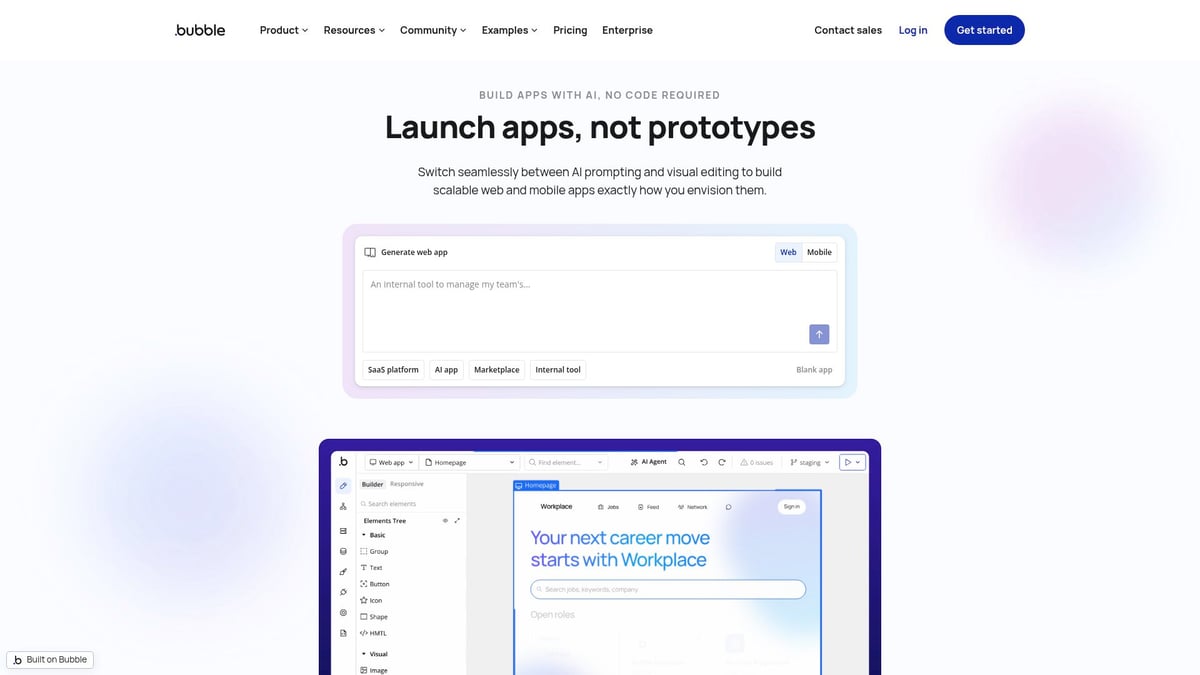
Bubble.io remains a leader in the app to make app space for 2026, offering a powerful visual development environment. Its pricing structure includes a generous free tier and paid plans starting at $32 per month, making it accessible for a wide range of users.
Key features include:
Bubble.io’s core benefit is enabling rapid app prototyping and full-scale deployment, all without writing code. This platform is particularly popular among entrepreneurs, startups, SMBs, and product managers who need to iterate quickly and validate ideas fast.
Unique selling points are its vibrant community, scalable infrastructure, and a wide range of plugins. The flexibility of this app to make app tool means users can launch MVPs in days, not months. However, more complex workflows may introduce a learning curve, and performance can vary for very large-scale applications.
As a testament to its capabilities, multiple SaaS startups have built and scaled their platforms on Bubble.io. For a deeper dive into its real-world advantages, see Bubble.io for building web apps.
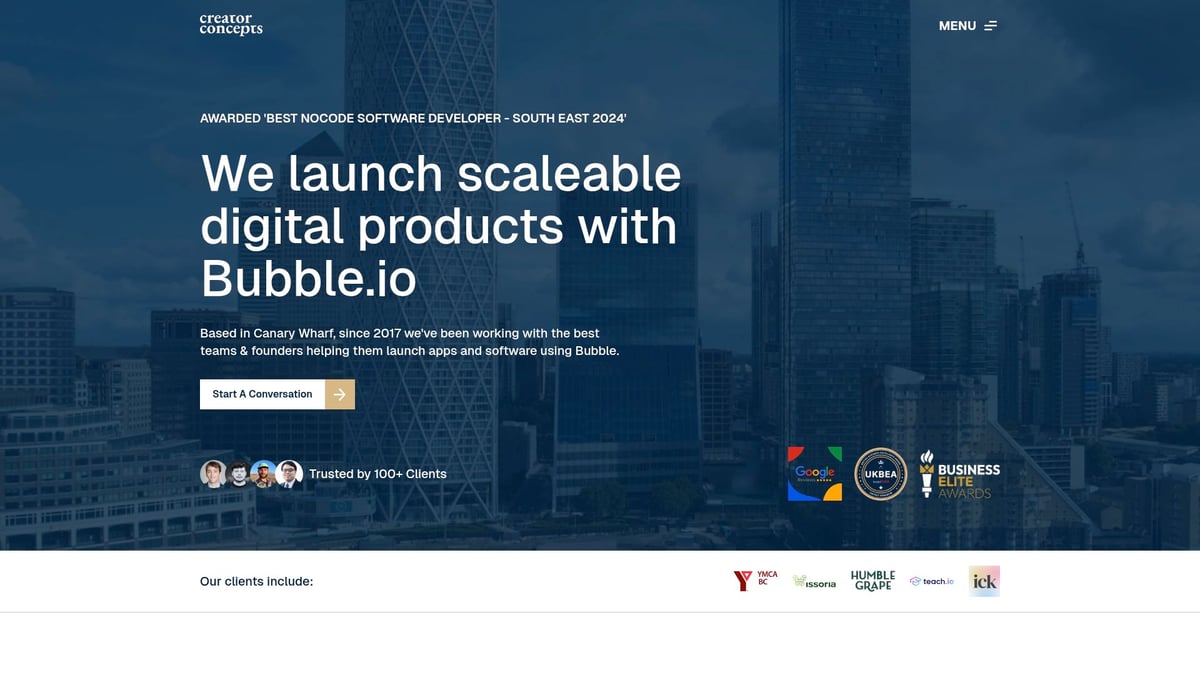
Creator Concepts stands out as an award-winning agency specialising in delivering end-to-end solutions with an app to make app focus. Their pricing is project-based, with rapid prototyping in one to two weeks and full production builds in six to twelve-plus weeks.
Core features include:
The key benefit is rapid time-to-market, supported by certified Bubble expertise. Creator Concepts is ideal for startups, SMBs, founders, and product teams who require a custom, scalable app to make app solution tailored to specific needs.
Unique selling points are enterprise-grade security, a proven track record, and deep knowledge of no-code best practices. The agency’s transparent collaboration model ensures clients are involved at every step, from ideation to launch.
Pros:
Cons:
A standout example is their work helping UK startups launch secure, scalable SaaS platforms, demonstrating the value of a dedicated app to make app partner.
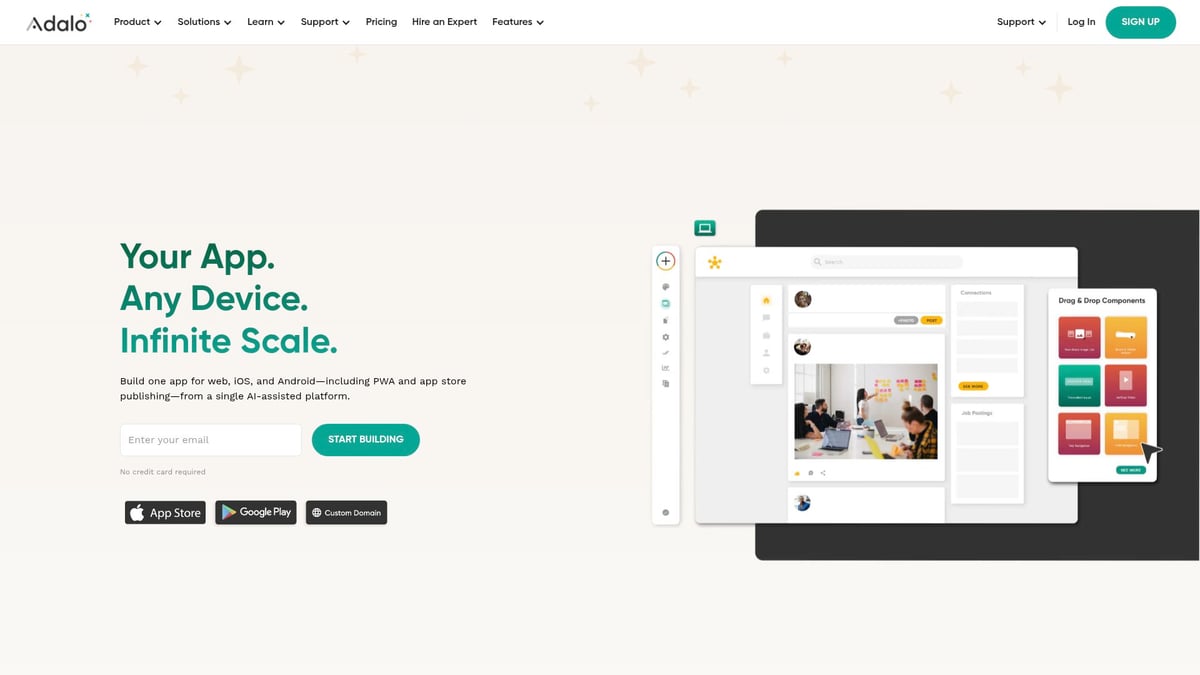
Adalo is an intuitive app to make app platform that empowers creators, small businesses, and educators to bring their ideas to life. With a free plan and paid options from $45 monthly, it’s accessible for a wide range of budgets.
Core features:
Adalo’s user-friendly interface makes it easy for non-developers to start building right away. The platform excels in rapid prototyping and direct publishing to app stores, making it a top pick for those needing an app to make app without prior coding experience.
Unique selling points include a strong support community, easy learning curve, and robust resource library. However, advanced logic and handling for enterprise-scale apps can be limited.
Pros:
Cons:
Educators have used Adalo to create interactive learning apps, showcasing the practicality of this app to make app solution for non-technical audiences.
Appgyver offers a comprehensive app to make app experience for both indie developers and enterprises. Its free tier is generous, especially for small businesses, with enterprise pricing for larger organisations.
Key features:
The platform’s standout benefit is its robust logic builder, allowing users to craft complex workflows without code. Appgyver is ideal for those who need an app to make app capable of supporting advanced customisation and scalability.
Unique selling points:
Pros:
Cons:
Fintech startups have leveraged Appgyver for rapid MVP launches, demonstrating its value as a versatile app to make app platform for demanding projects.
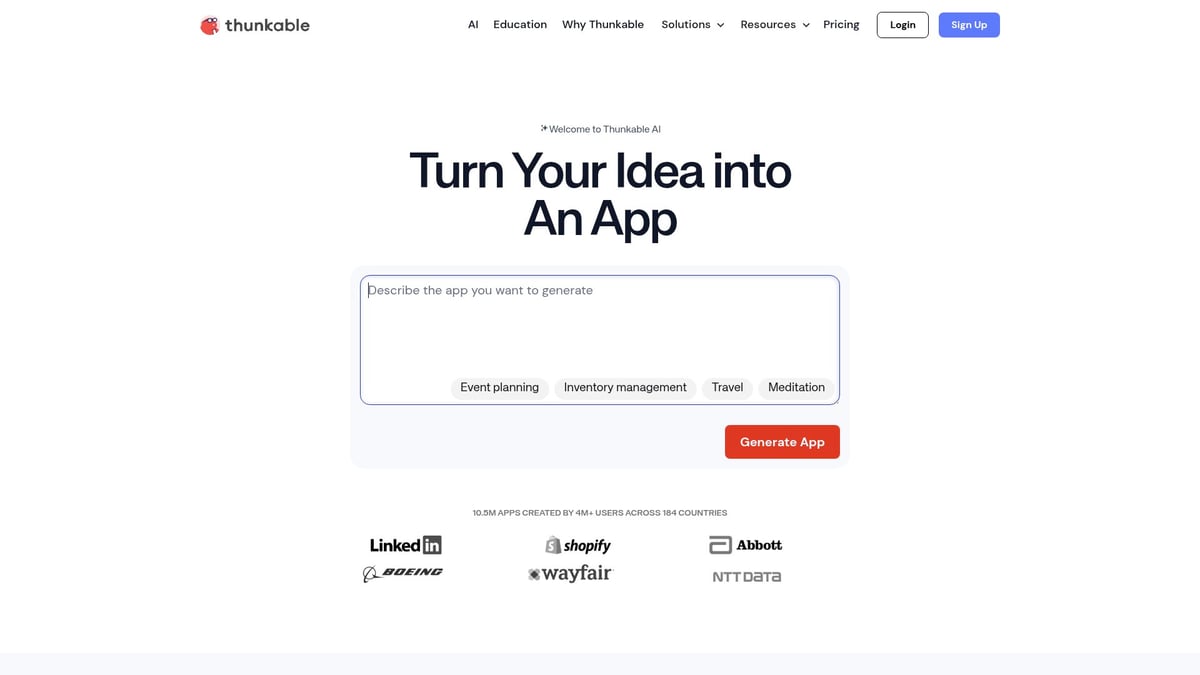
Thunkable is a popular app to make app tool known for its accessibility and educational focus. With a free plan and Pro options from $13 per month, it’s well-suited for beginners and educators.
Core features:
Thunkable’s biggest strength is empowering non-developers to create native mobile apps for both iOS and Android. The platform’s intuitive interface and educational resources make it an excellent choice for those new to the app to make app journey.
Unique selling points:
Pros:
Cons:
Schools have adopted Thunkable to teach app development fundamentals, highlighting its impact as an app to make app tool for the next generation of creators.
OutSystems is an enterprise-grade app to make app platform designed for complex, large-scale projects. It offers a free community edition and enterprise pricing for businesses with advanced needs.
Core features:
The platform’s main benefit is enabling rapid scaling of complex apps while maintaining enterprise-level security and compliance. OutSystems is tailored to IT departments, large organisations, and projects where performance and reliability are non-negotiable in an app to make app solution.
Unique selling points:
Pros:
Cons:
Global banks and corporations rely on OutSystems to build secure, scalable internal apps, proving its effectiveness as a high-end app to make app platform.
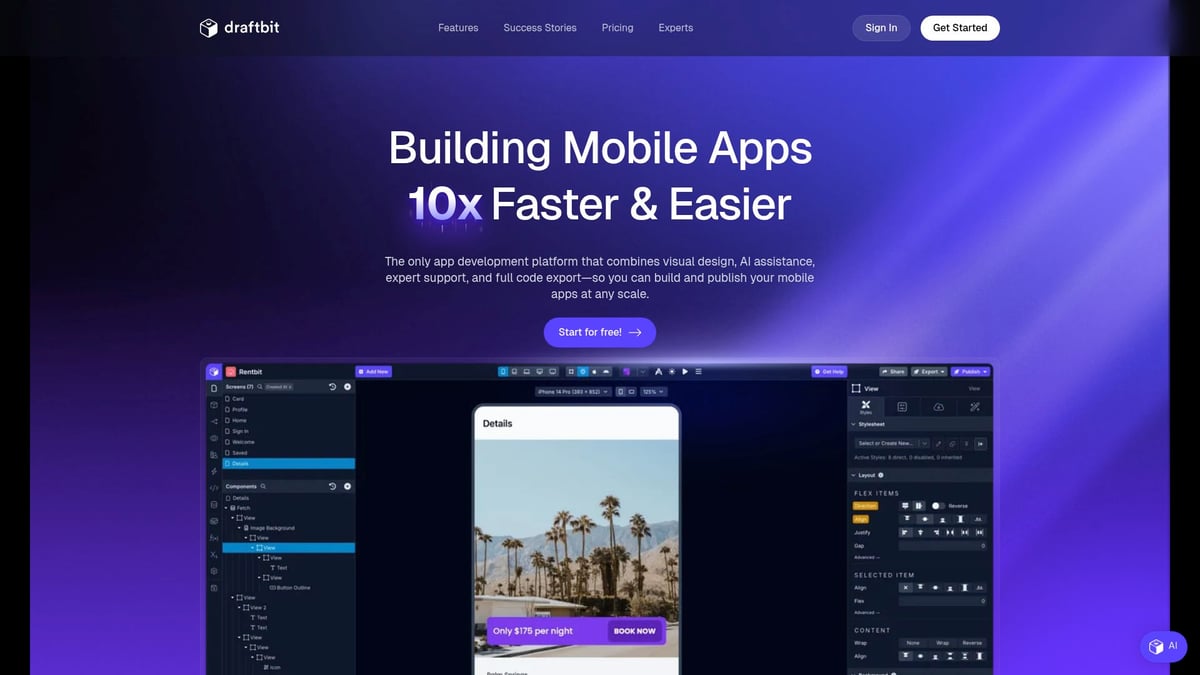
Draftbit bridges the gap between no-code convenience and developer flexibility as a leading app to make app tool. It offers a free trial and paid plans starting at $29 per month.
Core features:
Draftbit’s unique advantage is giving users complete control over code ownership, making it ideal for teams who want to iterate visually but need custom logic. This approach appeals to designers, agencies, and startups seeking a flexible app to make app solution.
Unique selling points:
Pros:
Cons:
Agencies often use Draftbit to rapidly deliver custom mobile apps to clients, taking advantage of its blend of no-code speed and developer control as an app to make app platform.
Selecting the right app to make app tool in 2026 is critical for building successful digital products. With so many platforms available, understanding the features that matter most can streamline your decision and set your project up for long-term success.
Scalability is essential when choosing your app to make app tool. As your user base grows, your chosen platform must handle increased traffic and data without performance bottlenecks. Evaluate whether the tool can scale both vertically and horizontally, and check if it offers performance monitoring tools to spot issues early.
Consider platforms with proven uptime records and a history of supporting businesses as they expand. This ensures that your investment today will support your ambitions tomorrow.
The usability of an app to make app solution directly affects your team's productivity. Look for intuitive interfaces, clear documentation, and guided onboarding experiences. A steep learning curve can slow down your project, especially if your team has mixed technical backgrounds.
No-code and low-code platforms are increasingly popular because they lower barriers to entry. For further insights, explore No-code app design essentials to understand how user-friendly design impacts app development efficiency.
Integration capabilities are vital for any modern app to make app platform. Your tool should connect easily with third-party APIs, databases, and cloud services. Check if it supports RESTful APIs or offers built-in connectors for popular services.
Extensibility allows you to add new features or automate workflows as your needs evolve. Evaluate how customisable the platform is and whether it supports scripting or custom plugins.
Security and compliance remain top priorities in 2026. Your app to make app tool should offer robust data protection, encryption, and user access controls. Compliance with standards like GDPR or SOC 2 is essential, especially for handling sensitive or personal data.
For a deeper look at current security best practices, see Security and privacy as top priorities in 2026 app development.
Evaluate the pricing structure of each app to make app platform. Consider not only subscription fees but also potential costs for additional users, integrations, or premium features. Assess the total cost of ownership over your project’s expected lifespan.
Free tiers are great for prototyping, but enterprise features may require a higher investment. Always factor in scalability and support costs when projecting your budget.
Strong support and an active community are invaluable when working with an app to make app tool. Responsive customer service, comprehensive documentation, and a vibrant user forum can help you overcome challenges quickly.
Check for available tutorials, knowledge bases, and active online communities. These resources empower teams to resolve issues independently and accelerate learning.
Every project has unique requirements. The best app to make app platforms offer deep customisation, allowing you to tailor workflows, branding, and user experiences. Look for tools that support custom code, advanced logic, or flexible UI design.
Flexibility ensures your app can adapt as business needs change, making your investment future-proof.
Many successful businesses have scaled rapidly by choosing the right app to make app tool. Real-world case studies demonstrate how features like security, integration, and usability directly impact long-term success.
Before committing, map your must-have features against available platforms and run a pilot project to validate your choice. This approach reduces risk and maximises your app’s potential in 2026.
Achieving outstanding results with any app to make app tool in 2026 requires more than just the right platform. The path to a successful launch is paved with strategic best practices that empower teams to deliver high-quality solutions, meet user demands, and stay ahead of the competition.
User experience lies at the heart of every successful app to make app journey. Developers must design interfaces that are intuitive, visually appealing, and accessible to all users, including those with disabilities.
Focusing on these elements enhances engagement and retention, setting your app apart in a crowded market.
Adopting agile methodologies brings flexibility and speed to app to make app projects. Agile teams iterate quickly, respond to feedback, and pivot as needed.
Rapid prototyping allows you to visualise ideas early, validate concepts, and reduce costly errors later in development. This approach shortens time-to-market and ensures your solution aligns with user needs.
Integrating automation and AI-powered features into your workflow streamlines repetitive tasks, accelerates testing, and enhances personalisation. Modern app to make app tools are embracing AI-driven suggestions, smart bug detection, and predictive analytics.
To explore how artificial intelligence is reshaping the development landscape, see this expert analysis on AI integration in mobile app development trends for 2026.
Thorough testing and quality assurance are essential for delivering reliable, high-performing applications. Automated testing frameworks, continuous integration pipelines, and user feedback loops help catch bugs early and maintain high standards.
This diligence leads to fewer issues and higher user satisfaction.
Security is non-negotiable for any app to make app solution in 2026. Protect user data through encryption, regular audits, and adherence to industry regulations such as GDPR.
Prioritising these safeguards builds trust and reduces legal risks.
Modern app projects thrive on strong collaboration between designers, developers, and business teams. Shared cloud environments, transparent communication tools, and regular knowledge sharing fuel creativity and problem-solving.
Staying informed about key app development trends for 2026 ensures your team leverages the latest technologies, frameworks, and best practices.
Many leading apps have achieved success by combining the right app to make app platform with these best practices. Startups and enterprises alike benefit from a focus on UX, agile workflows, automation, and ongoing learning. By applying these principles, you maximise your chances of delivering a standout product in the evolving 2026 app market.
As you look ahead to 2026 and consider which app making tools will best support your growth, it’s clear that having the right strategy and partner can make all the difference. At Creator Concepts, we understand how crucial it is to balance speed, security, and innovation—especially in such a dynamic market. If you’re ready to discuss how these tools could accelerate your next project, or want tailored advice on building scalable, secure digital products with no code, we’re here to help. Let’s explore what’s possible together—Book a discovery call.
© 2026 CreatorConcepts Limited
128 City Road, London EC1V 2NX