
Imagine stepping into a city where every structure shimmers like a bubble, transforming skylines with playful curves and sustainable innovation. Bubble building is redefining architecture, blending creativity, efficiency, and environmental care in ways never seen before. Are you curious how these airy, dynamic forms could shape the future of our built environment? In this guide, we’ll uncover the evolution of bubble architecture, reveal cutting-edge design principles, materials, and real-world projects, and provide step-by-step advice for creating your own bubble building in 2026. Let’s explore how imagination and technology are building tomorrow’s iconic spaces today.
Imagine stepping into a city where every curve and surface tells a story of innovation. The journey of bubble building has evolved from whimsical experiments to icons of modern design. Today, these structures are not just visually striking but also functional, sustainable, and woven into the fabric of urban life.
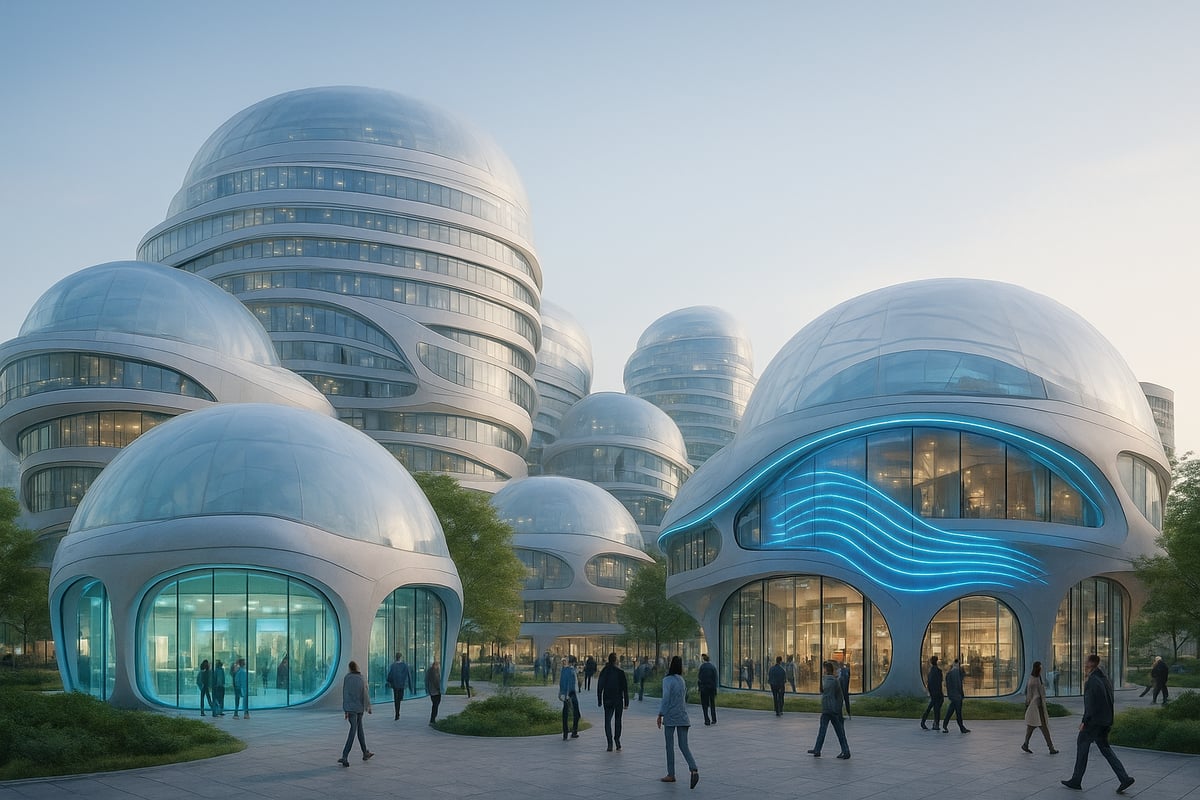
The concept of bubble building draws inspiration from nature’s most efficient forms. Early architects looked to soap bubbles, cell structures, and organic shapes, captivated by their ability to enclose space with minimal material. This fascination led to the first wave of bubble-inspired architecture, where designers experimented with domes, shells, and pneumatic forms.
A pivotal figure in this movement was Buckminster Fuller, whose geodesic domes in the mid-20th century showcased the strength and efficiency of spherical structures. These domes, although not true bubbles, proved that lightweight frameworks could support large spans without heavy materials. The bubble building idea began as a novelty, often associated with expos and temporary installations. However, as material science advanced, these playful forms found their way into more practical applications.
Key milestones in the bubble building timeline include the adoption of air-supported structures for sports arenas and exhibition halls, and the exploration of biomimicry in design. Over time, what started as an artistic curiosity became a genuine architectural pursuit, laying the groundwork for today’s innovative bubble building projects.
In the 21st century, bubble building has experienced a renaissance. Contemporary architects are reimagining bubble forms, using advanced membranes and inflatable technology to create flexible, adaptive spaces. The rise of ETFE, technical nylons, and smart fabrics has made it possible to construct large, lightweight structures that are both durable and visually engaging.
One standout example is 3GATTI’s Bubble Building in Shanghai, which uses inflatable membrane windows to create a playful and energy-efficient facade. Bubble building is no longer limited to temporary installations, as it now features in commercial offices, residential developments, and public spaces around the world. The integration of inflatables and modular systems has accelerated construction, making bubble building attractive for both new builds and retrofits.
Since 2010, there has been a marked increase in global bubble building projects, driven by advances in materials and a growing demand for sustainable, iconic architecture. Leading developers are pushing the boundaries of what bubble building can achieve, as highlighted in the Best Bubble Developers for 2026, a resource that showcases the pioneers shaping the future of this field.
Bubble buildings have become powerful urban landmarks, instantly recognisable and often serving as symbols of creativity and progress. Their distinctive forms make them magnets for public attention, transforming cityscapes and redefining skylines. For businesses and property owners, a bubble building can enhance branding, attract tenants, and generate buzz.
The viral appeal of bubble architecture on social media has further amplified its cultural impact. People are drawn to the playful, Instagrammable aesthetics of bubble buildings, resulting in increased footfall and higher rental interest for properties featuring these designs. Case studies reveal that bubble building installations used as community hubs or event spaces have a measurable effect on local engagement and economic activity.
As bubble building continues to evolve, its influence extends beyond architecture, inspiring new ways to connect, create, and experience the built environment.
Bubble building design principles bridge creativity with engineering, shaping spaces that are iconic, functional, and future-ready. Architects now face the exciting challenge of making structures that are as inviting as they are striking, with every curve and surface thoughtfully considered.

The hallmark of a successful bubble building lies in balancing visual allure with practical needs. Recognisable silhouettes, often inspired by natural forms, make these structures instantly iconic.
Designers focus on creating welcoming environments that encourage people to interact with the space. Open layouts, soft curves, and seamless transitions between indoor and outdoor areas foster a sense of flow and comfort.
Key points include:
Every detail, from the entrance to the roofline, should support both the building’s purpose and its playful identity.
Achieving stability in a bubble building means overcoming unique engineering hurdles. The unconventional forms require careful calculations to distribute loads evenly and withstand strong winds.
Collaboration between architects and engineers is vital for safe implementation. Structural supports must be discreet yet robust, maintaining the purity of the bubble form without sacrificing safety.
Common approaches include:
With the right expertise, a bubble building can be both a visual wonder and a secure, lasting structure.
A bubble building offers notable environmental benefits, especially in terms of insulation and energy efficiency. Air-filled membranes provide natural thermal barriers, reducing reliance on artificial heating and cooling.
Double-layered fabrics help regulate temperature, while advanced materials can include antibacterial properties for healthier interiors. For example, technical nylons used in some projects combat both heat loss and microbial growth.
Environmental performance priorities:
Sustainable design is central to the bubble building ethos, aligning innovation with environmental responsibility.
Advances in membrane materials, such as ETFE, PVC, and technical nylons, have transformed what is possible in bubble building design. These materials are not only lightweight and flexible but also offer remarkable durability and weather resistance.
Smart materials can adapt to changing environmental conditions, while technical textiles are increasingly adopted for their performance. For deeper insight into structural and safety considerations, the Safety and serviceability of membrane buildings review provides a thorough analysis of membrane architecture.
Selecting the right combination of materials and technologies ensures that a bubble building meets both creative ambitions and stringent regulatory standards.
Maximising daylight is a core principle in bubble building design. Translucent membranes allow natural light to flood interiors, reducing energy use and creating uplifting spaces.
Dynamic LED lighting systems add night-time appeal, with interactive features that respond to movement or events. These lighting strategies enhance both function and spectacle.
Examples of lighting integration:
Thoughtful lighting transforms a bubble building into a beacon, day or night.
Designing a bubble building for universal access is essential. Entrances are wide and step-free, with interiors planned for easy navigation by all users.
Community interaction is encouraged through open, flexible layouts and adaptable spaces. Some bubble buildings serve as community hubs, hosting events and fostering connection.
Inclusive design highlights:
A bubble building should inspire and welcome everyone, reflecting the diversity of its users.
Meeting rigorous safety standards is non-negotiable in bubble building projects. Fire resistance, wind stability, and compliance with building codes are priorities from the earliest design stages.
Antibacterial and self-cleaning surfaces support hygiene, especially in public spaces. Data shows that membrane structures, when properly engineered, meet or exceed safety benchmarks for modern architecture.
Ongoing monitoring and maintenance keep a bubble building performing at its best, ensuring long-term safety and reliability.
The materials and construction techniques behind bubble building have evolved rapidly, driven by advances in membrane technology, fabrication, and sustainable design. Understanding these elements is essential for creating structures that are not only visually striking but also durable and efficient.

Bubble building relies on advanced materials that are lightweight, flexible, and resilient. The most commonly used membranes include technical outdoor nylons, ETFE (ethylene tetrafluoroethylene), and high-performance PVC. These materials offer superior weather resistance and longevity compared to traditional options.
A key advantage is their ability to form double-layered or multi-layered membranes, providing insulation and structural stability. Technical nylons are prized for their tensile strength and ease of fabrication, while ETFE is known for its self-cleaning properties and high light transmission, making it ideal for daylight-rich environments.
| Material | Weight | Transparency | Durability | Maintenance |
|---|---|---|---|---|
| Nylon | Light | Moderate | High | Easy |
| ETFE | Ultra-light | High | Exceptional | Minimal |
| PVC | Light | Variable | Good | Moderate |
The adoption of these membranes is also influenced by their environmental credentials. For a deeper dive into the eco-efficiency and sustainable potential of these materials, see this analysis of structural membranes in architecture.
A signature feature of bubble building is the use of inflatable elements and modular panels. These components are fabricated off-site under controlled conditions, ensuring consistent quality and rapid production.
The installation process typically follows these steps:
This modularity allows for quick assembly and disassembly, reducing construction time and on-site disruption. The Shanghai Bubble Building, for instance, uses inflatable window units that can be easily replaced or upgraded, supporting flexibility and long-term adaptability. Bubble building projects benefit greatly from this efficiency, especially in urban retrofits or temporary installations.
Bubble building excels in environmental performance due to its innovative approach to insulation. By leveraging air gaps between membrane layers, these structures achieve excellent thermal regulation, reducing the need for mechanical heating or cooling.
Green barriers, such as integrated planters or living walls, can be combined with bubble facades to enhance oxygenation and internal air quality. This approach not only improves occupant comfort but also contributes to urban cooling and biodiversity.
Data from recent projects reveal that air-insulated facades can reduce energy consumption by up to 30 percent compared to conventional cladding. Such efficiency is a major reason for the growing popularity of bubble building in sustainable architecture.
Every bubble building requires a robust supporting framework to maintain its unique form and withstand environmental loads. The most common materials for these frameworks are steel, aluminium, and advanced composites.
Steel provides strength and flexibility, ideal for large-span or multi-storey structures. Aluminium is valued for its lightness and corrosion resistance, suiting smaller or more mobile installations. Composite materials offer a balance of durability and weight, supporting innovative shapes and seamless integration with membrane elements.
Retrofitting existing buildings with bubble facades often involves attaching lightweight frames to the original structure, ensuring stability without overloading the foundation. This strategy allows older buildings to benefit from the visual and environmental advantages of bubble building.
The installation of a bubble building is a coordinated effort that minimises disruption, particularly in dense urban environments. The process is typically divided into:
Prefabrication allows for quality control and reduces on-site construction time. During installation, strict safety protocols are followed, including harnesses, scaffolding, and real-time monitoring of air pressure in inflatable sections. These measures ensure that bubble building projects meet all relevant safety and performance standards.
Maintaining a bubble building involves regular inspection and cleaning of membrane surfaces, as well as prompt repair of any punctures or weather-related damage. Most technical membranes are designed for easy cleaning, often requiring little more than water and mild detergent.
Repair strategies include patching small tears or replacing modular panels entirely. The typical lifespan of ETFE and high-grade nylon membranes ranges from 20 to 40 years, depending on environmental exposure and maintenance routines. Replacement cycles for bubble building materials are generally longer than those for conventional façades, contributing to lower long-term costs.
Cost is a crucial factor in any bubble building project. While initial investments in high-performance membranes and modular systems can be higher than traditional methods, the benefits often outweigh the costs.
Key budget considerations include:
Comparative studies show that bubble retrofits can reduce total renovation costs by up to 25 percent, thanks to shorter project timelines and lower energy expenses. Commercial properties with bubble building enhancements often see improved ROI due to increased tenant interest and operational savings.
Embarking on a bubble building project in 2026 requires a structured approach, blending creativity with technical expertise. This guide breaks down the process into clear, manageable phases, ensuring every detail is addressed for a successful and innovative outcome.

Every bubble building begins with a clear vision. Define your goals, whether they focus on sustainability, visual impact, or community engagement. Assess the site for space, orientation, and accessibility.
Gather input from stakeholders, including local authorities and potential users. Analysing market needs and environmental constraints is crucial at this stage. For practical application ideas, consider 5 Useful Ways to Use Bubble as inspiration for your bubble building concept.
Collaboration is key during the design phase. Bring together architects, engineers, and designers to brainstorm and refine your bubble building. Use 3D modelling tools to prototype various forms and test how they interact with the site.
Select materials and colour palettes that reflect the intended atmosphere and performance. Prioritise adaptability and ensure the bubble building will serve its purpose while standing out visually. Early design decisions set the foundation for innovation and practicality.
The next phase focuses on technical precision. Structural engineers perform calculations to ensure the bubble building can withstand wind loads and other environmental factors. Safety and risk assessments are conducted to identify and mitigate potential hazards.
Compliance with local building codes is essential. Consult with regulatory authorities to confirm that all design elements meet requirements. This step guarantees that the bubble building is both safe and legally sound before moving forward.
With approvals in place, fabrication begins. Manufacturers produce bespoke membrane panels and inflatable components tailored to the bubble building design. Rigorous quality control checks are performed to verify durability and performance.
Logistics planning ensures that all elements arrive on site as scheduled. Pre-assembly of larger sections can save time and reduce disruption during installation. This preparation phase streamlines the transition from factory to construction site.
On-site activity starts with erecting the structural framework, typically using steel or aluminium. Next, the membrane and inflatable elements are installed, carefully anchored for stability. Integrate lighting and environmental systems, such as air filtration or temperature regulation, to enhance occupant comfort.
Close coordination among construction teams is vital. Each step must be executed with precision to preserve the integrity of the bubble building. Timely communication keeps the project on track and minimises delays.
Final inspections ensure every aspect of the bubble building meets quality standards. Address any outstanding issues through snagging, then train staff in maintenance routines for the unique materials and systems involved.
Organise a community launch event to introduce the bubble building, highlighting its features and benefits. Effective marketing can attract tenants, visitors, or customers, maximising the building’s impact and value.
Below is a typical timeline for a bubble building retrofit:
| Phase | Duration (weeks) |
|---|---|
| Concept & Feasibility | 2-4 |
| Design Development | 4-6 |
| Engineering & Compliance | 3-5 |
| Fabrication & Pre-Assembly | 6-8 |
| On-Site Construction | 4-7 |
| Finishing & Handover | 2-3 |
Actual durations may vary depending on project scale and location. Consistent project management and communication are essential for keeping each phase on schedule.
Bubble building design stands at the forefront of sustainable architecture, merging futuristic aesthetics with impressive environmental credentials. The unique structure of bubble building facades delivers measurable benefits across energy efficiency, material sustainability, biodiversity, and occupant wellbeing. As cities aim for greener futures, bubble building projects offer practical solutions for climate resilience and circular construction.
Bubble building envelopes excel in thermal performance due to their air-filled membranes, which create a natural insulation barrier. This reduces heat transfer and helps maintain stable interior temperatures, significantly lowering the need for artificial heating or cooling. According to recent studies, air-insulated bubble building facades can outperform traditional glass or concrete, often reducing energy consumption by up to 30 percent.
| Facade Type | Average U-Value (W/m²K) | Energy Savings (%) |
|---|---|---|
| Bubble Membrane | 1.2 | 30 |
| Double Glazing | 1.8 | 15 |
| Concrete | 2.5 | 0 |
For further insight into how membrane structures regulate indoor environments, see this review of the indoor thermal environment of membrane structures.
Sourcing eco-friendly materials is at the heart of bubble building practice. Many projects now use recyclable membranes such as ETFE and advanced technical nylons, which offer longevity with low environmental impact. Life-cycle analyses show that these materials produce substantially less waste and emissions compared to conventional options.
Exploring the sustainability potential of ultralight membrane structures reveals how bubble building technology is advancing circular construction goals.
Integrating green barriers into bubble building facades fosters urban biodiversity and creates healthier environments. Living walls, rooftop gardens, and oxygenating plant systems can be seamlessly combined with bubble architecture. In Shanghai, the Bubble Building project demonstrated notable cooling and air-quality improvements by embedding greenery within its inflatable skin.
These strategies not only reduce urban heat but also provide habitats for birds and pollinators, supporting citywide ecological networks.
The modular nature of bubble building construction allows for rapid assembly, easy adaptation, and minimal demolition waste. Prefabricated membrane panels can be reused or relocated, making bubble building projects ideal for both temporary installations and permanent structures.
Key benefits:
Temporary bubble building event spaces illustrate how reusability drives sustainability in fast-changing urban contexts.
Bubble building interiors benefit from antibacterial coatings and air-purifying technologies embedded in membrane surfaces. These innovations contribute to healthier indoor air and reduce the spread of pathogens. Research into biophilic design principles shows that the organic forms and natural light within bubble building spaces improve occupant wellbeing, boosting productivity and satisfaction.
Such evidence highlights bubble building architecture as a catalyst for healthier cities.
Bubble building structures are engineered to withstand extreme weather, including high winds and flooding. Membrane facades flex and absorb impact, reducing damage risk. Statistics reveal that modern bubble building envelopes outperform many rigid facades in storm-prone regions, making them a robust solution for climate adaptation.
By combining resilience, adaptability, and sustainable materials, bubble building design paves the way for environmentally responsible urban growth.
The world of bubble building is rapidly evolving, with new concepts making headlines every year. As we look towards 2026, architects and developers are reimagining what is possible, blending technology, sustainability, and creativity. This section explores the most anticipated trends and innovations shaping the future of bubble building, offering inspiration and practical insights for those ready to push boundaries.
Emerging materials are revolutionising bubble building design. Self-healing membranes and responsive technical fabrics are now being prototyped, promising increased durability and adaptability. These materials can react to environmental changes, adjusting opacity or insulation in real time.
Smart technologies are also becoming standard. Internet of Things (IoT) sensors allow bubble building facades to monitor temperature, humidity, and air quality, optimising energy use. Artificial intelligence is predicted to play a greater role in both design and maintenance, automating systems for comfort and sustainability. These advances will make bubble building projects more efficient, resilient, and adaptable to changing needs.
The versatility of bubble building architecture is opening doors to new applications across sectors. In education, bubble buildings create flexible, stimulating learning environments. Healthcare facilities are adopting bubble forms for pop-up clinics and mobile medical units, benefitting from rapid deployment and easy sanitation.
Retailers and event organisers are exploring hybrid structures, combining bubble building membranes with traditional materials to create dynamic spaces. Urban farms and greenhouses are also utilising bubble building concepts, supporting food production and community wellbeing. The adaptability of these structures means they can serve temporary or permanent needs, making bubble building an attractive solution for diverse projects.
Digital innovation is reshaping how bubble building projects are conceived and realised. Architects now use parametric modelling to optimise bubble forms for aesthetics and performance. Augmented and virtual reality tools place stakeholders inside digital prototypes, improving collaboration and feedback.
Adoption rates for these technologies have surged, with most leading practices now relying on immersive design tools. For those seeking to enhance their digital workflow, reviewing Bubble App Design Best Practices can provide valuable guidance on integrating digital tools into architectural projects. This digital shift is making bubble building more accessible and precise than ever.
Bubble building projects are increasingly seen as catalysts for urban regeneration. Their playful, futuristic forms attract public interest and spark conversations about the future of cities. These structures often become local icons, drawing visitors and revitalising underused spaces.
Community engagement is central to many bubble building installations. Public feedback shapes design choices, ensuring these spaces reflect local needs and identities. Recent case studies show that bubble building projects can boost civic pride and social interaction, especially when used as community hubs or event spaces.
Sustainability remains at the heart of bubble building innovation. Circular design principles are guiding the development of reusable, recyclable membranes and modular components. Bubble building projects are increasingly designed for disassembly, allowing materials to be recovered and repurposed at the end of their lifecycle.
Industry forecasts predict significant growth in sustainable construction, with bubble building at the forefront. By reducing waste and extending the lifespan of building materials, bubble building supports the shift towards a circular economy. This approach not only benefits the environment but also adds long-term value for investors and communities.
Despite its promise, bubble building still faces challenges. Misconceptions about durability and safety persist, although recent data highlights strong performance in extreme weather and fire resistance. Regulatory frameworks sometimes lag behind, requiring advocacy and education to facilitate approval for unconventional designs.
Opportunities for innovation are plentiful. Cross-industry collaboration, especially with technology and material science sectors, is accelerating the evolution of bubble building. Addressing challenges head-on will unlock new possibilities for architects, developers, and city planners alike.
The future of bubble building depends on visionary thinking and creative courage. Architects and developers are encouraged to experiment with new forms, materials, and digital tools. Competitions and awards for bubble-inspired architecture are multiplying, offering recognition and resources for innovative projects.
Collaboration is key—whether through multidisciplinary teams or by engaging with local communities. As bubble building continues to evolve, its potential to transform skylines and lifestyles is limited only by our imagination. The next chapter in bubble building is just beginning, and the possibilities are boundless.
As you’ve seen throughout this guide, bubble-inspired architecture isn’t just a fleeting trend—it’s a bold vision for 2026 and beyond, blending creativity, sustainability, and advanced materials in ways that truly transform spaces. If you’re considering how to bring these concepts to life—whether you’re an architect, developer, or simply intrigued by the potential—let’s explore your ideas together. At Creator Concepts, we specialise in turning ambitious visions into robust, scalable solutions that meet your goals and budget. Ready to discuss your next project or brainstorm possibilities? Start a Conversation
© 2026 CreatorConcepts Limited
128 City Road, London EC1V 2NX