


The rise of no-code platforms has fundamentally transformed how applications are built, creating entirely new career opportunities for technical professionals. A bubble developer represents this evolution, combining traditional development thinking with visual programming capabilities to build sophisticated web applications without writing extensive code. This emerging role has become increasingly valuable as startups and established businesses alike seek faster, more cost-effective ways to bring digital products to market whilst maintaining professional standards and scalability.
Understanding the Bubble Developer Role
A bubble developer specialises in building web applications using Bubble.io, a powerful visual programming platform that enables the creation of fully functional software through a drag-and-drop interface. Unlike traditional developers who write lines of code in languages like JavaScript or Python, these professionals work with visual elements, workflows, and database structures to create complex applications.
The role extends far beyond simply clicking buttons on a screen. Bubble developers must understand fundamental programming concepts including data structures, logic flows, API integrations, and user authentication. They translate business requirements into functional applications, making architectural decisions that affect performance, scalability, and user experience.
Core Responsibilities and Daily Tasks
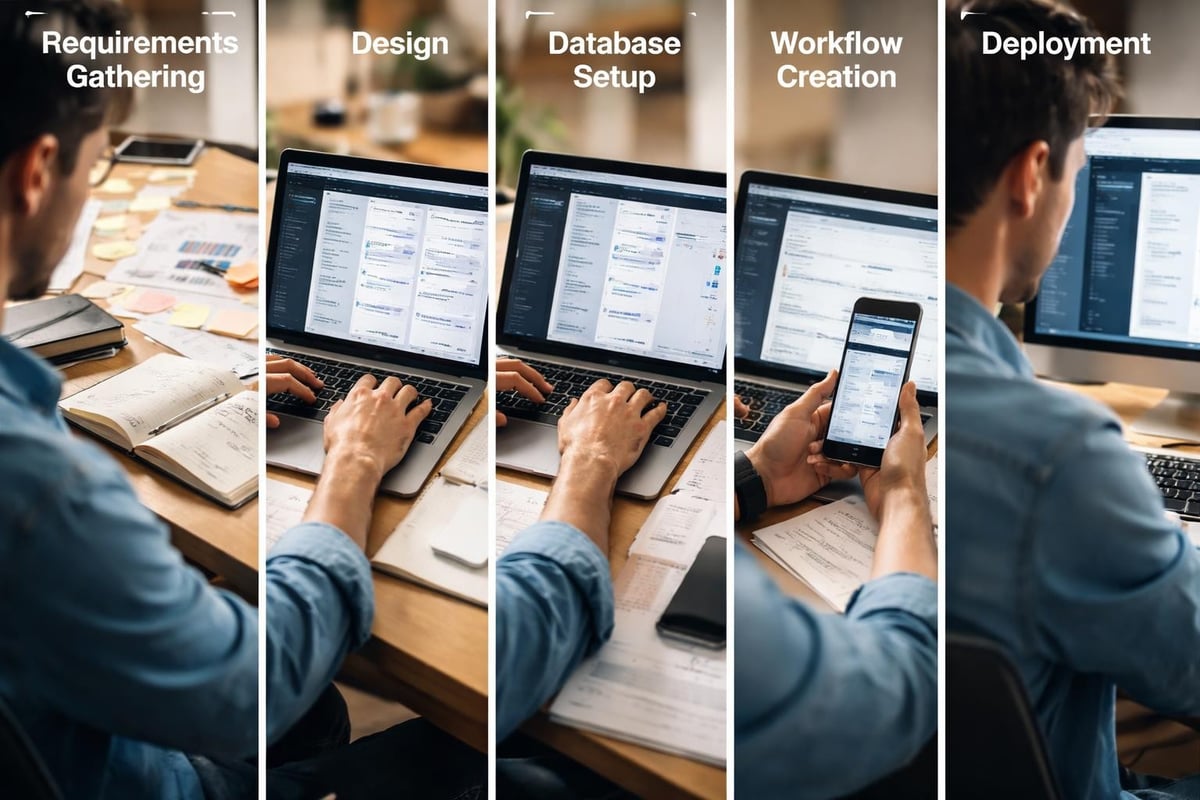
The typical workday of a bubble developer involves several distinct activities that require both technical expertise and creative problem-solving:
- Designing responsive user interfaces that work seamlessly across desktop and mobile devices
- Building complex workflow logic to handle user actions, data processing, and automated tasks
- Structuring databases with proper relationships, privacy rules, and optimisation strategies
- Integrating third-party services through APIs to extend application functionality
- Testing applications thoroughly to identify and resolve bugs before deployment
- Collaborating with stakeholders to understand requirements and deliver solutions
Performance optimisation represents a crucial aspect of the role. Bubble developers must monitor application speed, implement efficient database queries, and manage capacity units to ensure applications remain responsive as they scale. This requires understanding how Bubble's underlying infrastructure works and making informed decisions about data architecture.
Essential Skills for Bubble Developers
Becoming proficient as a bubble developer requires a diverse skill set that combines technical knowledge with design sensibility and business acumen. The comprehensive information for developers available on Bubble's official platform outlines many of these competencies.
Technical Competencies
| Skill Category | Specific Skills | Proficiency Level |
|---|---|---|
| Visual Development | Element manipulation, responsive design, reusable components | Advanced |
| Logic & Workflows | Conditional logic, custom events, scheduled workflows | Advanced |
| Database Management | Data types, privacy rules, option sets, relationships | Advanced |
| API Integration | REST APIs, plugin development, authentication protocols | Intermediate to Advanced |
| JavaScript & Code | Custom code blocks, plugin creation, advanced functionality | Intermediate |
Whilst Bubble eliminates much traditional coding, successful bubble developers often possess foundational programming knowledge. This understanding helps them troubleshoot complex issues, integrate custom code when necessary, and communicate effectively with traditional development teams.
Design and UX Capabilities
Creating applications that users actually enjoy requires more than functional workflows. Bubble developers must understand design principles, user experience fundamentals, and accessibility standards. The tutorials on Bubble.io's design features provide valuable insights into creating visually appealing applications.
Responsive design skills are non-negotiable in 2026, with users expecting seamless experiences across smartphones, tablets, and desktop computers. Bubble developers must master the platform's responsive engine, understanding how elements adapt to different screen sizes and implementing mobile-first design principles.
Career Paths and Opportunities
The demand for bubble developers has grown exponentially over the past several years, creating multiple career trajectories for professionals in this field. From freelance consultants to agency specialists and in-house developers, opportunities abound for those with proven expertise.
Employment Options
- Freelance Bubble Developer: Working independently with multiple clients, setting your own rates, and choosing projects that align with your interests
- Agency Specialist: Joining a no-code agency that delivers client projects, benefiting from steady work and collaborative environments
- In-House Developer: Working for a single company to build and maintain their internal applications and products
- Bubble Consultant: Advising businesses on no-code strategy, platform selection, and implementation approaches
- Educator and Course Creator: Teaching others to become bubble developers through tutorials, courses, and mentorship programmes
Many professionals begin as freelancers to build their portfolio before transitioning to agency work or consulting roles. The beginner's guide to Bubble.io offers an excellent starting point for those new to the platform.
Salary Expectations in 2026
Compensation for bubble developers varies significantly based on location, experience level, and employment type. UK-based professionals can expect the following ranges:
- Junior Bubble Developer (0-2 years): £28,000 - £42,000 annually
- Mid-Level Bubble Developer (2-5 years): £45,000 - £65,000 annually
- Senior Bubble Developer (5+ years): £65,000 - £90,000 annually
- Freelance Rates: £40 - £120 per hour depending on specialisation and reputation
London and the South East typically offer higher salaries, with positions in technology hubs like Canary Wharf commanding premium rates. Developers who specialise in particular industries such as fintech, healthtech, or e-commerce often earn more due to their domain expertise.

Building Your Bubble Developer Portfolio
Establishing credibility as a bubble developer requires demonstrating your capabilities through a strong portfolio of projects. Potential clients and employers want to see real applications you've built, not just certifications or claims of expertise.
Portfolio Project Ideas
Your portfolio should showcase diversity in both functionality and industry application. Consider building:
- A marketplace application connecting buyers and sellers with payment processing
- A SaaS product with user authentication, subscription management, and role-based access
- A booking system for appointments or reservations with calendar integration
- A social platform with user profiles, content sharing, and engagement features
- An internal tool for business processes such as CRM, inventory management, or project tracking
Quality matters more than quantity. Three exceptionally well-built applications demonstrate more competence than ten mediocre projects. Focus on applications that solve real problems, incorporate complex workflows, and showcase your understanding of user experience principles.
Documenting Your Work
Each portfolio piece should include detailed documentation explaining your approach, the challenges you faced, and the solutions you implemented. This documentation helps potential clients understand your problem-solving process and technical decision-making abilities.
Include metrics where possible, such as page load times, number of users supported, or business outcomes achieved. For startups seeking MVP Development services, demonstrating your ability to deliver scalable solutions quickly can be particularly compelling.
Advanced Techniques and Specialisations
As the no-code ecosystem matures, bubble developers who master advanced techniques and develop specialisations position themselves for higher-value opportunities. The practical guides and technical insights available from experienced practitioners can accelerate this learning process.
Performance Optimisation Strategies
| Technique | Benefit | Implementation Complexity |
|---|---|---|
| Database indexing | Faster search queries | Medium |
| Conditional element loading | Reduced initial page load | Low |
| Custom states vs database | Minimised database calls | Medium |
| Server-side workflows | Improved reliability | Medium |
| CDN for file storage | Faster asset delivery | Low |
Advanced bubble developers understand how to architect applications for scale from the outset. This includes implementing proper caching strategies, optimising database queries, and structuring workflows to minimise capacity usage whilst maintaining responsiveness.
Niche Specialisations
Focusing on specific industries or application types can differentiate you in a competitive market:
- E-commerce specialists who understand payment gateways, inventory management, and conversion optimisation
- SaaS developers skilled in subscription billing, user management, and multi-tenancy architectures
- Marketplace builders experienced with complex matching algorithms, review systems, and transaction management
- Mobile app developers who create progressive web apps optimised for mobile experiences
- Enterprise consultants who integrate Bubble applications with existing systems and legacy databases
Each specialisation requires additional knowledge beyond core Bubble skills but opens doors to projects with higher budgets and more interesting technical challenges.
Learning Resources and Community
Continuous learning remains essential for bubble developers as the platform evolves and best practices emerge. Fortunately, a vibrant community and extensive educational resources support professional development at all experience levels.
Self-Directed Learning Paths
Beginning your journey as a bubble developer doesn't require formal education or expensive bootcamps. Many successful professionals have followed self-directed learning paths:
- Foundation Building: Complete Bubble's official lessons and build simple applications to understand core concepts
- Structured Learning: Work through comprehensive tutorials covering design, workflows, and database management
- Practical Application: Replicate existing applications to understand different architectural approaches
- Original Projects: Build increasingly complex applications that solve real problems
- Community Engagement: Participate in forums, ask questions, and help others to deepen your understanding
The beginner's guide available from Planet No Code provides a structured approach to mastering the platform's essential components.
Community Resources
The Bubble community offers invaluable support through multiple channels:
- Official Bubble forum for technical questions and platform updates
- LinkedIn groups connecting professionals for networking and collaboration
- YouTube channels providing tutorials, case studies, and best practices
- Twitter communities sharing tips, celebrating wins, and discussing challenges
- Local meetup groups offering in-person connections and knowledge sharing

Client Management and Project Delivery
Technical skills alone don't guarantee success as a bubble developer. The ability to manage client relationships, set appropriate expectations, and deliver projects on time separates thriving professionals from those who struggle.
Project Scoping Best Practices
Accurate project scoping prevents scope creep and ensures profitability. Effective bubble developers follow structured approaches:
- Requirements Gathering: Conduct detailed discovery sessions to understand true business needs, not just stated requests
- Feature Prioritisation: Help clients distinguish between must-have features for launch and nice-to-have enhancements
- Timeline Estimation: Build in contingency time for revisions, testing, and unexpected complications
- Budget Transparency: Clearly outline what's included in quoted prices and what constitutes additional work
- Milestone Definition: Break larger projects into achievable phases with defined deliverables and payment points
Many disputes arise from misaligned expectations rather than technical failures. Investing time upfront in thorough scoping pays dividends throughout the project lifecycle.
Communication Strategies
Non-technical clients often struggle to articulate their needs or understand technical constraints. Successful bubble developers bridge this gap through:
- Regular progress updates with visual demonstrations of completed work
- Plain-language explanations of technical decisions and trade-offs
- Proactive identification of potential issues before they become problems
- Collaborative problem-solving that involves clients in decision-making
- Documentation that clients can reference after project completion
Building a reputation for clear communication and reliability leads to repeat business and referrals, which form the foundation of sustainable freelance or agency practices.
Tools and Plugins for Enhanced Productivity
Whilst Bubble provides extensive built-in functionality, successful bubble developers leverage additional tools and plugins to enhance their capabilities and streamline workflows. These resources range from design tools to testing platforms and analytics solutions.
Essential Development Tools
- Figma or Adobe XD: For designing interfaces before building them in Bubble
- Postman: For testing API integrations and debugging connection issues
- Google Analytics: For tracking user behaviour and application performance
- Mixpanel or Amplitude: For advanced product analytics and user journey mapping
- BrowserStack: For testing responsive designs across multiple devices and browsers
These tools complement Bubble's native capabilities, enabling more sophisticated development processes and higher-quality deliverables.
Recommended Bubble Plugins
The Bubble plugin ecosystem extends the platform's functionality significantly. Popular plugins among professional bubble developers include:
| Plugin Category | Popular Options | Use Cases |
|---|---|---|
| Payment Processing | Stripe, PayPal | E-commerce, subscriptions |
| Authentication | Google, Facebook, Auth0 | User login, SSO |
| Communication | SendGrid, Twilio | Emails, SMS notifications |
| File Management | Uploadcare, Box | Document handling, media |
| Maps & Location | Google Maps, Mapbox | Location-based services |
Careful plugin selection impacts application performance and maintenance requirements. Bubble developers must evaluate plugins for reliability, documentation quality, and ongoing support before incorporating them into client projects.
The Future of Bubble Development
The no-code movement shows no signs of slowing, with industry analysts projecting continued growth in adoption rates and platform capabilities. For bubble developers, this trajectory presents both opportunities and challenges as the field matures and evolves.
Emerging Trends
Several trends are shaping the future landscape for bubble developers in 2026 and beyond:
- AI Integration: Incorporating artificial intelligence features into Bubble applications through API connections to services like OpenAI
- Mobile-First Development: Increased emphasis on progressive web apps and mobile-optimised experiences
- Enterprise Adoption: Larger organisations embracing Bubble for internal tools and customer-facing applications
- Complex Integrations: Greater demand for connecting Bubble applications with existing enterprise systems
- Hybrid Development: Combining Bubble's visual development with custom code for highly specialised functionality
Bubble developers who stay ahead of these trends by developing relevant skills and experience position themselves for long-term career success in an expanding market.
Platform Evolution
Bubble itself continues evolving, regularly releasing new features and capabilities that expand what's possible within the platform. Recent and anticipated developments include enhanced mobile app capabilities, improved performance tools, and more sophisticated debugging features.
Staying current with platform updates requires active engagement with release notes, community discussions, and ongoing experimentation. The most successful bubble developers allocate time for continuous learning and skill refinement, treating professional development as an ongoing investment rather than a one-time achievement.
The bubble developer role represents a compelling career opportunity for those who combine technical aptitude with creative problem-solving and client service skills. As businesses increasingly recognise the value of rapid application development without sacrificing quality or scalability, demand for skilled professionals will continue growing. Whether you're building your first portfolio projects or scaling an established practice, Creator Concepts partners with entrepreneurs and startups to transform ideas into award-winning MVPs using Bubble's powerful platform, delivering production-ready applications in weeks rather than months.