
The landscape of digital product development has transformed dramatically over recent years, making it more accessible than ever for entrepreneurs to bring their ideas to life. App making services have emerged as a crucial resource for startups and businesses looking to develop mobile and web applications without the traditional barriers of hiring entire development teams or navigating complex technical challenges. Whether you're a first-time founder or an established business expanding your digital presence, understanding the various approaches to app development is essential for making informed decisions about your product's future.
App making services encompass a broad range of solutions, from fully managed development agencies to self-service platforms that enable non-technical users to build applications independently. The right choice depends on your specific requirements, budget constraints, technical expertise, and long-term vision.
Traditional development agencies offer comprehensive solutions that handle every aspect of your application from initial concept to post-launch support. These services typically include strategic consultation, user experience design, technical development, quality assurance, and ongoing maintenance.
Key advantages include:
Full-service agencies generally charge premium rates, with projects often ranging from £30,000 to £200,000 or more, depending on complexity. This investment makes sense for businesses requiring sophisticated functionality, regulatory compliance, or applications that will become core to their business model.

The rise of no-code platforms has democratized app development, enabling faster time-to-market and significantly reduced costs. No-code web development platforms have matured considerably, offering robust functionality that rivals traditionally coded applications for many use cases.
Specialized agencies working with platforms like Bubble.io, Webflow, or FlutterFlow can deliver sophisticated applications at a fraction of traditional development costs. These app making services combine the speed and cost-efficiency of no-code tools with professional design and development expertise.
| Development Approach | Typical Timeline | Cost Range | Best For |
|---|---|---|---|
| Traditional Coded | 4-12 months | £50k-£200k+ | Complex enterprise systems |
| No-Code Agency | 2-8 weeks | £10k-£50k | MVPs and market validation |
| Low-Code Platform | 1-6 months | £20k-£80k | Scalable business applications |
| DIY Builders | 1-4 weeks | £0-£5k | Simple prototypes |
Choosing between different app making services requires careful consideration of multiple factors beyond just initial cost. This comprehensive guide to application development emphasizes the importance of clearly defined requirements before selecting your development methodology.
Start by mapping out your application's core functionality and any specialized features you'll need. Complex integrations with legacy systems, real-time data processing, or specialized hardware connectivity may require traditional development approaches. However, many modern business applications can be effectively built using no-code platforms, particularly for internal tools, marketplaces, CRM systems, and content management.
Consider these technical factors:
For startups and early-stage businesses, speed to market often matters more than perfect technical implementation. MVP Development services help founders validate their ideas using scalable MVPs designed, built, and launched in weeks rather than months, allowing you to gather real user feedback before committing to larger development investments.
The best mobile app development software available today enables rapid prototyping and iteration, which aligns perfectly with lean startup methodologies that emphasize validated learning over extensive upfront planning.
Regardless of which type of app making services you choose, certain best practices significantly increase your likelihood of success. Understanding these factors helps you evaluate potential partners and set appropriate expectations.
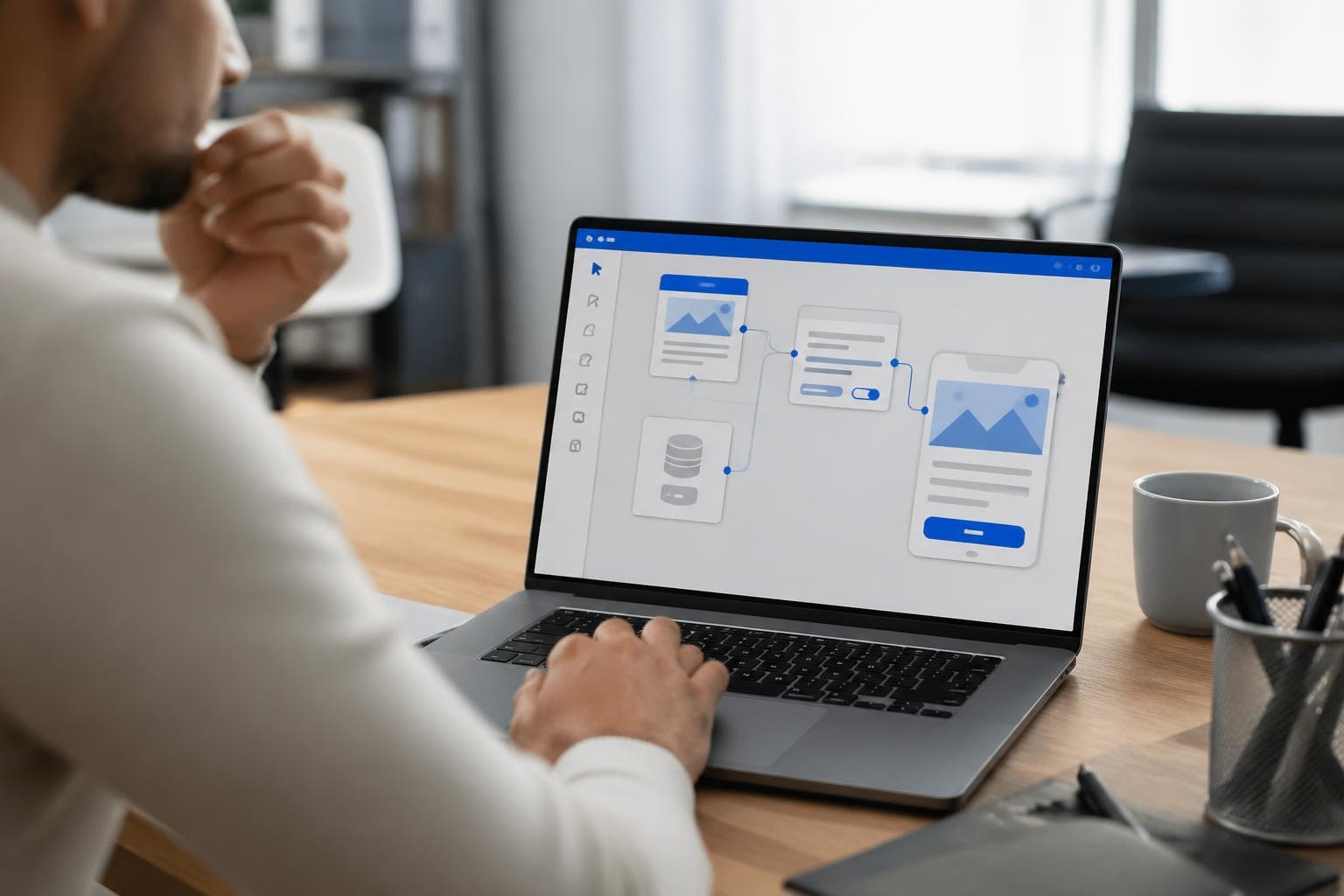
Ambiguity in project scope remains one of the primary reasons development projects exceed budgets or fail entirely. Before engaging any development service, invest time in documenting your requirements, creating user stories, and developing wireframes or mockups that communicate your vision.
Essential documentation includes:
Many proven practices for mobile application development emphasize the importance of cross-platform considerations and user-centric design from the earliest planning stages.

App making services must prioritize security architecture from the outset rather than treating it as an afterthought. Enterprise mobile app development best practices highlight the necessity of security-first architecture, particularly for applications handling sensitive user data or financial transactions.
Scalability planning ensures your application can grow with your business. Building scalable mobile apps requires consideration of cloud infrastructure, modular development approaches, and database architecture that can handle increasing user loads without requiring complete rebuilds.
The choice between native, hybrid, and web applications significantly impacts development costs, performance, and user experience. Different app making services specialize in various approaches, each with distinct advantages.
Native apps built specifically for iOS or Android offer superior performance and access to device-specific features. However, maintaining separate codebases for multiple platforms increases development and maintenance costs substantially.
This approach suits applications requiring:
Technologies like React Native, Flutter, and Progressive Web Apps enable developers to write code once and deploy across multiple platforms. Mobile app development best practices suggest this approach often provides the optimal balance between development efficiency and user experience for many business applications.
Cross-platform development reduces time-to-market and maintenance overhead whilst delivering near-native performance for most use cases. The cost savings can be substantial, typically 30-50% less than building separate native applications.
Web-based applications eliminate app store approval processes and update delays whilst maintaining cross-platform compatibility. Modern Progressive Web Apps (PWAs) can deliver app-like experiences with push notifications, offline functionality, and home screen installation.
This approach particularly benefits:
Outstanding user experience separates successful applications from forgotten downloads. Professional app making services invest heavily in UX research and interface design, understanding that technical functionality alone doesn't guarantee adoption.
Mobile app branding creates cohesive experiences that reinforce your business identity whilst meeting user expectations for intuitive navigation and attractive design. Consistency across touchpoints builds trust and encourages continued engagement.
The most effective app making services employ iterative design processes that incorporate user feedback throughout development. This approach typically includes:
Testing with real users before full development begins identifies usability issues when they're still inexpensive to fix. Even modest investments in user research deliver substantial returns through improved conversion rates and reduced support costs.
Modern applications must accommodate users with varying abilities and preferences. Accessibility considerations include:
Beyond ethical obligations, accessible design expands your potential user base and often improves usability for all users, not just those with specific accessibility needs.
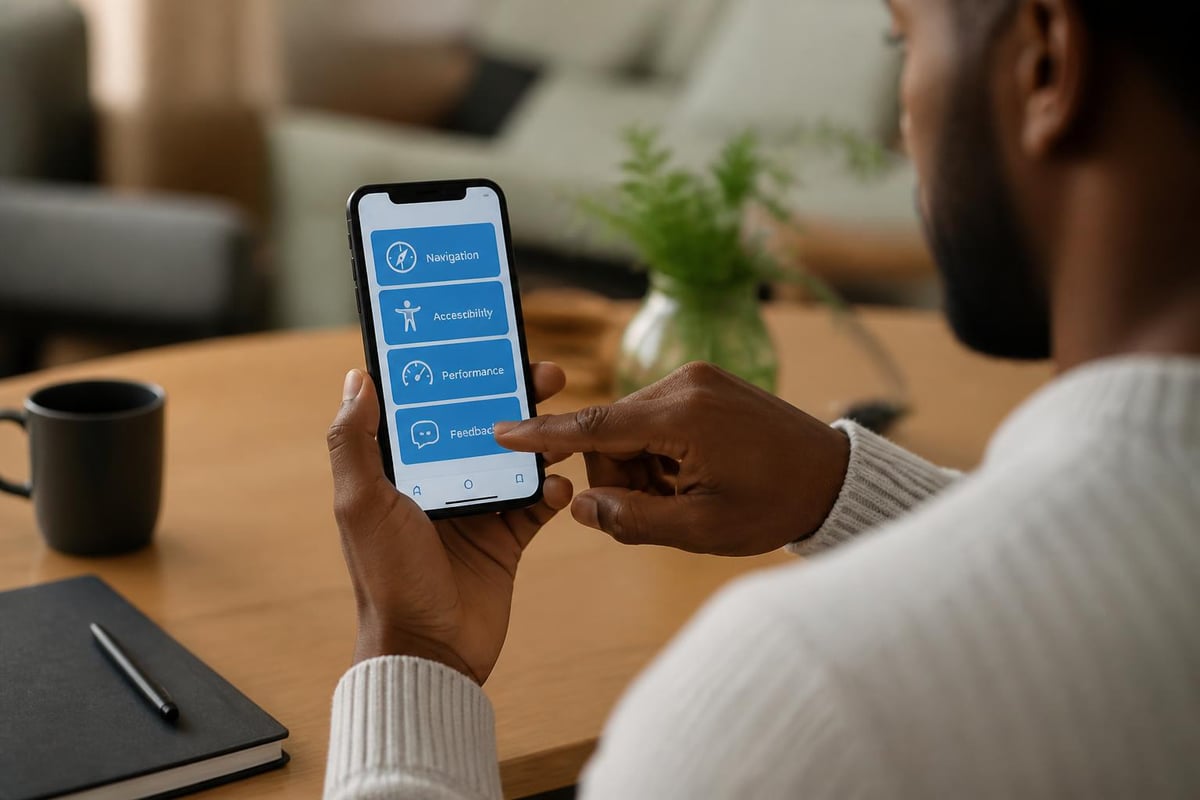
Rigorous testing distinguishes professional app making services from amateur implementations. Comprehensive quality assurance processes catch issues before they impact real users, protecting your reputation and reducing post-launch emergency fixes.
Professional development includes several testing phases:
| Testing Type | Purpose | When It Occurs |
|---|---|---|
| Unit Testing | Verify individual components | During development |
| Integration Testing | Ensure systems work together | Post-component completion |
| User Acceptance Testing | Validate against requirements | Pre-launch |
| Performance Testing | Assess speed and stability | Throughout development |
| Security Testing | Identify vulnerabilities | Before and after launch |
Automated testing frameworks enable continuous quality verification as new features are added, catching regressions quickly and maintaining code quality throughout the development lifecycle.
Releasing to a limited audience before full public launch provides invaluable real-world feedback whilst limiting exposure to potential issues. Beta testing programmes recruit enthusiastic early adopters who provide detailed feedback and help identify edge cases your development team might have missed.
Soft launches in specific geographic markets or user segments enable you to validate your launch strategy, refine onboarding flows, and optimize server capacity before committing to broader marketing campaigns.
The launch represents a beginning rather than an ending. Successful app making services provide ongoing support and optimization to ensure your application continues delivering value as user needs evolve and technology advances.
Comprehensive analytics tracking reveals how users actually interact with your application, often uncovering surprising insights that contradict initial assumptions. Key metrics to monitor include:
This data drives informed decisions about feature prioritization, user experience improvements, and resource allocation for future development.
Applications require regular updates to maintain security, compatibility with evolving operating systems, and competitive positioning. Best practices for mobile app development emphasize the importance of planning for ongoing maintenance and enhancement from project inception.
Budget approximately 15-20% of initial development costs annually for maintenance, bug fixes, and incremental improvements. More substantial feature additions require additional investment but benefit from existing architecture and codebase.
Understanding the total cost of ownership for your application extends beyond initial development expenses. App making services typically structure pricing in several ways, each with distinct advantages depending on your situation.
Fixed-price projects provide cost certainty but require extremely detailed specifications upfront and offer limited flexibility for changes. Time-and-materials arrangements allow greater adaptability but can lead to budget overruns without careful project management. Retainer arrangements work well for ongoing development relationships where requirements evolve continuously.
Typical cost components include:
Transparent app making services provide detailed breakdowns of these costs, enabling you to make informed decisions about where to invest and where to economize based on your priorities.
Evaluating app development as an investment rather than an expense shifts the conversation from minimizing costs to maximizing value. Calculate potential returns by estimating:
Many successful applications achieve positive ROI within 12-18 months, though timelines vary significantly based on business model and market conditions.
Selecting from available app making services requires evaluating technical capabilities, industry experience, communication practices, and cultural fit. The cheapest option rarely delivers the best long-term value, whilst the most expensive doesn't guarantee superior results.
Request detailed case studies demonstrating relevant experience in your industry or with similar technical requirements. The best mobile app development agency for your project combines technical expertise with business understanding and communication practices that match your preferences.
Key questions to ask potential partners:
Pay attention to how thoroughly potential partners question your requirements and business objectives. Providers who immediately quote without extensive discovery likely lack the consultative approach needed for successful outcomes.
Examine completed projects for quality of user experience design, technical sophistication, and business results achieved. Request demonstrations of applications built on your preferred platform or technology stack.
Technical assessments should evaluate:
For no-code projects, assess the agency's expertise with specific platforms and their approach to optimizing performance within platform constraints.
Technology evolves rapidly, and applications must adapt to remain relevant and competitive. Forward-thinking app making services architect solutions with longevity in mind, avoiding technical debt that constrains future development.
Well-designed applications separate concerns into distinct modules that can be updated, replaced, or enhanced independently. This architectural approach reduces the cost and risk of future modifications whilst enabling incremental improvements rather than requiring complete rebuilds.
APIs and integration points should follow industry standards, enabling connection with emerging tools and services without extensive custom development. Cloud-native architectures provide flexibility to scale infrastructure as demand grows.
Whilst avoiding premature adoption of unproven technologies, remain aware of trends that might impact your application's relevance. Artificial intelligence integration, voice interfaces, augmented reality, and blockchain technologies may offer competitive advantages in specific contexts.
Professional app making services help you evaluate these opportunities pragmatically, distinguishing between genuine value-adds and distracting trends that consume resources without delivering meaningful benefits.
Selecting the right app making services fundamentally shapes your product's trajectory, influencing time-to-market, user satisfaction, scalability, and long-term success. By understanding the various development approaches, prioritizing user experience, and choosing partners who combine technical expertise with strategic business insight, you position your application for sustainable growth. Creator Concepts specializes in transforming startup visions into award-winning MVPs using modern no-code platforms, delivering sophisticated applications in weeks rather than months whilst maintaining the quality and scalability your business demands.
© 2026 CreatorConcepts Limited
128 City Road, London EC1V 2NX