

The software landscape has undergone a fundamental transformation over the past decade, with businesses shifting from traditional software licensing to consumption-based models. App as a service represents this evolution, offering organisations a streamlined approach to deploying, managing, and scaling applications without the complexity of traditional infrastructure management. For entrepreneurs and startups in 2026, understanding this delivery model has become essential for competitive advantage and operational efficiency.
App as a service builds upon the foundations of Platform as a Service (PaaS) whilst focusing specifically on application-level delivery. Unlike traditional software that requires installation, configuration, and ongoing maintenance on local infrastructure, this model delivers fully functional applications through cloud-based platforms.
The architecture centres on multi-tenant environments where a single application instance serves multiple customers simultaneously. Each organisation accesses the same core application whilst maintaining data isolation and customisation options. This approach dramatically reduces deployment time and eliminates the need for internal IT teams to manage complex infrastructure.
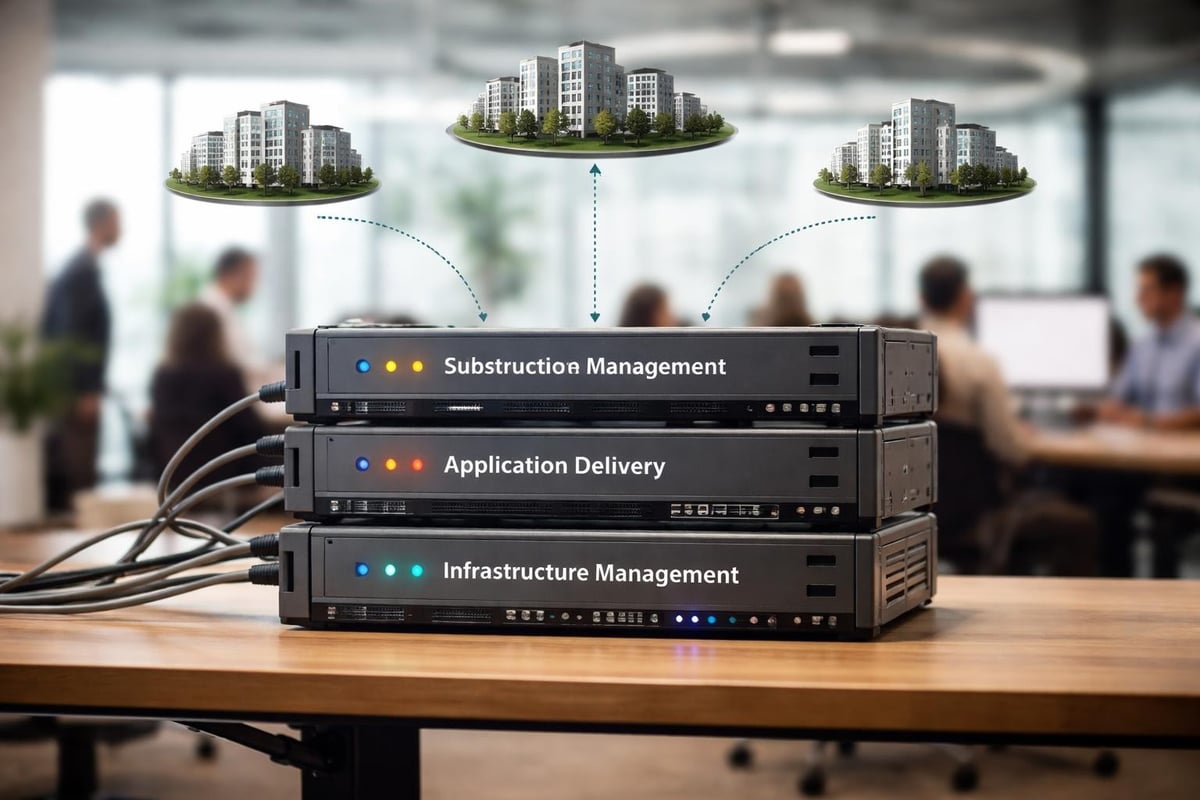
Understanding the technical architecture helps organisations make informed decisions about adoption and implementation.
Infrastructure Layer
Application Layer
Management Layer
The XaaS (Anything as a Service) ecosystem encompasses various delivery models, each addressing different organisational needs. Understanding these distinctions clarifies where app as a service fits within the broader landscape.
| Service Model | Primary Function | User Control | Typical Users |
|---|---|---|---|
| Infrastructure as a Service (IaaS) | Virtual servers and storage | High (OS, middleware, apps) | DevOps teams, enterprises |
| Platform as a Service (PaaS) | Development environments | Medium (applications only) | Software developers |
| App as a Service | Ready-to-use applications | Low (configuration only) | Business users, startups |
| Backend as a Service (BaaS) | Pre-built backend components | Medium (frontend development) | Mobile app developers |
App as a service sits at the highest abstraction level, requiring minimal technical expertise from end users. Organisations can deploy sophisticated applications within hours rather than months, making it particularly attractive for startups operating under resource constraints.
Traditional enterprise software required significant capital expenditure for licences, servers, and ongoing maintenance. Implementation projects stretched across quarters, demanding substantial IT resources and creating barriers to entry for smaller organisations.
The shift to app as a service has democratised access to enterprise-grade functionality. Startups can now access the same calibre of tools as established corporations, paying only for what they use through predictable subscription models. This transformation has fundamentally altered competitive dynamics across industries.
Entrepreneurs launching ventures in 2026 face unprecedented pressure to move quickly whilst managing limited resources. App as a service addresses these challenges through several strategic advantages.
Financial Efficiency
Capital expenditure converts to operational expenditure, eliminating the need for substantial upfront investments in infrastructure and software licences. Cash flow improves as organisations pay monthly or annually based on actual usage rather than projected capacity. This financial flexibility proves particularly valuable during early growth stages when revenue remains unpredictable.
Rapid Deployment Timelines
Traditional software implementations required extensive configuration, testing, and training before becoming operational. App as a service solutions deploy within days or even hours, enabling organisations to respond swiftly to market opportunities. Teams can validate business models faster, a critical advantage when developing an MVP to test market assumptions.
Automatic Updates and Maintenance
Service providers handle all technical maintenance, security patches, and feature updates without customer intervention. Organisations benefit from continuous improvements without dedicating internal resources to update management. This ensures applications remain current with evolving security standards and regulatory requirements.
Scalability Without Complexity
Growing businesses face the challenge of scaling infrastructure to match expanding user bases. App as a service platforms automatically adjust resources based on demand, eliminating capacity planning exercises and preventing both over-provisioning waste and under-provisioning performance issues.
Understanding practical applications illuminates how startups leverage this model across different business contexts.
A fintech startup might use app as a service for customer relationship management, payment processing, and compliance monitoring. Rather than building these capabilities internally, the founding team focuses resources on their core differentiator whilst relying on proven solutions for operational necessities.
E-commerce ventures benefit from inventory management, order processing, and customer analytics delivered through cloud-based applications. Integration capabilities allow these services to work together seamlessly, creating a cohesive operational environment without custom development.
Whilst app as a service simplifies many aspects of software deployment, organisations must still address several technical considerations to maximise value and minimise risk.
Modern businesses operate across multiple platforms and systems. App as a service solutions must integrate with existing tools to create cohesive workflows. Microsoft Azure App Service demonstrates how cloud platforms facilitate these integrations through standardised APIs and pre-built connectors.
Integration Priorities

Entrusting business-critical data to third-party providers requires careful evaluation of security measures and compliance frameworks. Organisations must verify that service providers implement appropriate controls aligned with industry regulations and internal policies.
Questions to address during vendor evaluation include data residency requirements, encryption standards, access controls, backup procedures, and incident response protocols. Understanding these factors prevents compliance violations and data breaches that could jeopardise business operations.
Service level agreements (SLAs) define the performance standards customers can expect from providers. These contractual commitments typically specify uptime percentages, response times, and support availability.
| SLA Component | Industry Standard | Business Impact |
|---|---|---|
| Uptime Guarantee | 99.9% (8.76 hours annual downtime) | Revenue continuity, customer trust |
| Response Time | Sub-second for critical operations | User experience, conversion rates |
| Support Availability | 24/7 for enterprise tiers | Issue resolution speed |
| Data Recovery | Point-in-time restoration | Business continuity |
Understanding the economics of app as a service helps organisations budget accurately and avoid unexpected expenses. Subscription models vary significantly across providers, requiring careful analysis to identify the most cost-effective options.
Per-User Licensing
Organisations pay a fixed fee for each active user accessing the application. This straightforward approach works well for teams with stable headcounts but can become expensive as organisations scale. Volume discounts often apply at specific tier thresholds.
Usage-Based Pricing
Costs fluctuate based on actual consumption metrics such as API calls, storage capacity, or transaction volumes. This model aligns expenses directly with business activity, making it attractive for startups with variable demand patterns. However, costs can become unpredictable during rapid growth phases.
Tiered Subscription Plans
Providers offer predefined packages combining features and capacity limits at different price points. Organisations select tiers matching their current needs and upgrade as requirements expand. This approach balances predictability with flexibility.
Freemium Structures
Basic functionality remains free indefinitely, with premium features available through paid subscriptions. This model reduces barriers to adoption whilst creating natural upgrade paths as organisations mature.
Comparing app as a service costs against traditional software requires comprehensive analysis beyond headline subscription fees. Hidden costs in traditional models include infrastructure maintenance, software updates, security management, and dedicated IT personnel.
When evaluating options, startups should calculate three-year total cost of ownership incorporating subscription fees, integration costs, training expenses, and productivity impacts. This holistic view often reveals app as a service delivering superior value despite higher monthly costs.
The proliferation of mobile devices has created demand for applications accessible across smartphones and tablets. Mobile Platform as a Service (mPaaS) extends app as a service principles to mobile environments, providing integrated development and deployment capabilities.
Modern app as a service offerings increasingly incorporate mobile-responsive interfaces or dedicated mobile applications. This cross-platform approach ensures consistent user experiences regardless of device type whilst simplifying development workflows through shared backend infrastructure.
For startups targeting mobile-first audiences, selecting providers with robust mobile capabilities becomes critical. Features like offline functionality, push notifications, and mobile-optimised user interfaces directly impact user engagement and retention metrics.
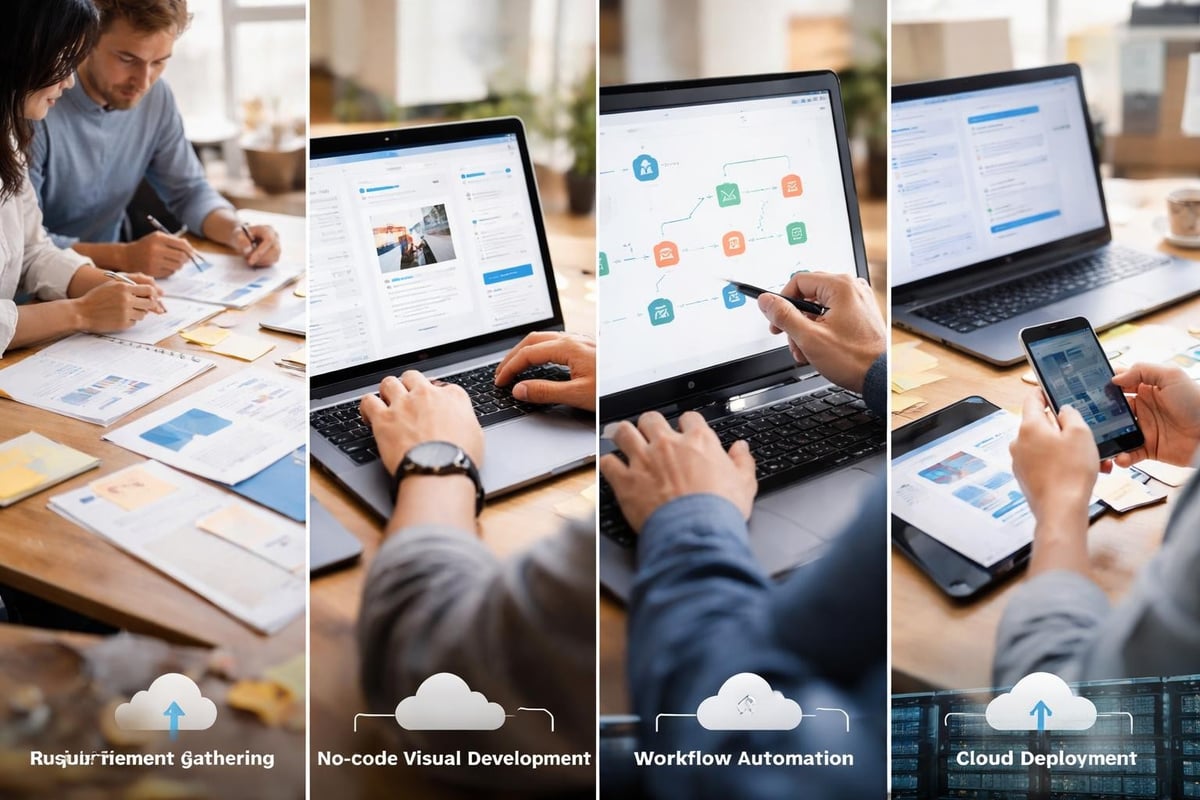
Whilst off-the-shelf app as a service solutions address many common business needs, organisations occasionally require custom functionality aligned with unique processes. No-code development platforms have emerged as powerful tools for creating bespoke applications without traditional programming expertise.
These platforms combine visual development interfaces with pre-built components, enabling non-technical users to construct sophisticated applications. The resulting solutions operate on the same app as a service model, with cloud hosting, automatic scaling, and subscription-based pricing.
Bubble.io exemplifies this approach, allowing entrepreneurs to build production-ready applications through drag-and-drop interfaces. Creator Concepts specialises in MVP development using these platforms, helping startups validate business concepts through rapid prototyping and iterative refinement.
Unique Competitive Advantages
If proprietary workflows or features differentiate your business from competitors, custom development protects these advantages whilst maintaining the operational benefits of cloud delivery.
Complex Integration Requirements
Organisations operating across highly specialised systems may find off-the-shelf solutions lack necessary integration capabilities. Custom development provides precise control over data flows and system interactions.
Regulatory Compliance Needs
Industries with stringent compliance requirements sometimes need applications tailored to specific regulatory frameworks. Custom solutions ensure all necessary controls and audit trails exist from inception.
The application layer users interact with represents only part of the app as a service equation. Backend as a Service platforms handle the invisible infrastructure powering these applications, managing databases, authentication, file storage, and server-side logic.
Understanding backend architecture helps organisations make informed decisions about vendor selection and integration planning. Key backend components include:
Modern app as a service providers abstract these complexities whilst offering configuration options for organisations requiring customisation. This balance between simplicity and flexibility defines successful platforms in the current market.
The app as a service market in 2026 offers hundreds of providers across different specialisations. Selecting appropriate partners requires systematic evaluation against specific business requirements.
Functional Requirements Alignment
Begin by documenting required features and workflows. Compare provider capabilities against these requirements, identifying gaps that might necessitate workarounds or alternative solutions. Prioritise features based on business impact to focus evaluation efforts appropriately.
Technical Compatibility
Assess integration capabilities with existing systems and data formats. Review API documentation, available connectors, and customisation options. Consider whether the provider supports necessary authentication methods and data exchange protocols.
Vendor Stability and Roadmap
Provider longevity matters when entrusting critical business operations to external platforms. Research company history, funding status, customer base size, and product development roadmap. Established providers offer stability whilst emerging platforms may provide innovative features and competitive pricing.
Customer Support Quality
Support responsiveness directly impacts business continuity during technical issues. Evaluate support channels, response time commitments, and availability windows. Request references from existing customers to understand real-world support experiences.
Pricing Transparency
Hidden fees and complex pricing structures create budget uncertainty. Seek providers offering clear pricing documentation with examples demonstrating how costs scale with usage. Clarify what happens when usage exceeds plan limits and whether downgrading remains possible.
Transitioning from traditional software or legacy systems to app as a service requires careful planning to minimise disruption and ensure successful adoption.
Rather than wholesale replacement of existing systems, successful organisations implement app as a service solutions incrementally. This approach reduces risk whilst allowing teams to adapt gradually to new workflows and interfaces.
Technology implementation fails when users resist adoption or lack necessary skills. Comprehensive training programmes ensure teams understand both technical operation and strategic benefits of new applications.
Training Components
The app as a service landscape continues evolving rapidly as technology advances and business requirements change. Understanding emerging trends helps organisations make forward-looking decisions that remain relevant as markets develop.
Artificial Intelligence Integration
Machine learning capabilities are increasingly embedded within app as a service platforms, automating routine tasks and providing predictive insights. Natural language interfaces allow non-technical users to query data and generate reports through conversational commands. These capabilities will become standard expectations rather than premium features.
Enhanced Vertical Specialisation
Generic business applications are giving way to industry-specific solutions addressing unique sectoral requirements. Healthcare, financial services, manufacturing, and retail each present distinct challenges that horizontal platforms struggle to address comprehensively. Providers developing deep expertise in specific verticals will command premium positioning.
Edge Computing Integration
Whilst cloud-based delivery remains dominant, hybrid architectures incorporating edge computing will emerge for latency-sensitive applications. This approach processes certain operations locally whilst maintaining central coordination and data storage in cloud environments.
Blockchain-Based Authentication
Decentralised identity management using blockchain technology promises enhanced security and user control over personal data. App as a service platforms adopting these standards will differentiate themselves in privacy-conscious markets.
Operating in regulated industries introduces specific considerations when adopting app as a service solutions. Organisations remain ultimately responsible for compliance regardless of outsourcing relationships.
Financial Services
Banking and fintech applications must comply with PCI-DSS for payment data, AML regulations for transaction monitoring, and SOC 2 for operational security. Verify providers hold relevant certifications and undergo regular third-party audits.
Healthcare
Medical data handling requires GDPR compliance in the UK and Europe, along with specific healthcare regulations governing patient information. Providers must demonstrate appropriate technical and administrative safeguards protecting sensitive health records.
E-Commerce
Consumer protection regulations and VAT compliance frameworks vary across jurisdictions. Multi-currency and multi-jurisdiction capabilities become essential for businesses operating internationally.
App as a service has transformed how startups and entrepreneurs approach software deployment, offering enterprise capabilities without enterprise complexity. By understanding architectural principles, cost structures, and implementation strategies, organisations can leverage these platforms to accelerate growth whilst maintaining operational efficiency. Whether deploying off-the-shelf solutions or building custom applications, the service model provides flexibility, scalability, and cost predictability that traditional approaches cannot match. If you're ready to transform your business idea into a functional application using modern no-code platforms and app as a service delivery models, Creator Concepts brings award-winning expertise in rapid MVP development to help you launch faster and smarter.
© 2026 CreatorConcepts Limited
128 City Road, London EC1V 2NX