
The path of startup founders is marked by critical decisions that shape the trajectory of their ventures. In 2026, the landscape demands more than brilliant ideas; it requires strategic execution, rapid validation, and the ability to adapt quickly to market feedback. Understanding the fundamentals of building, testing, and scaling a minimum viable product has become essential for founders who want to compete effectively in today's fast-paced business environment.
Successful startup founders approach their ventures with a unique blend of vision and pragmatism. They recognise that perfection is the enemy of progress, particularly in the early stages of product development. The ability to ship quickly, gather feedback, and iterate based on real user data separates thriving startups from those that fail to gain traction.
Modern founders prioritise three core principles:
The lean startup methodology has fundamentally changed how entrepreneurs think about product development. Rather than spending months or years building in isolation, today's founders focus on testing assumptions early and often.

Many startup founders struggle with determining whether their idea has genuine market potential. Traditional market research provides limited insights compared to putting a functional product in users' hands. This is where minimum viable products become invaluable tools for gathering actionable data.
| Validation Approach | Time Investment | Reliability | Cost |
|---|---|---|---|
| Surveys & Focus Groups | 2-4 weeks | Low | ££ |
| Landing Page Testing | 1-2 weeks | Medium | £ |
| Functional MVP | 4-8 weeks | High | £££ |
| Full Product Build | 6-12 months | Unknown | £££££ |
The most effective validation happens when startup founders deploy a working prototype that solves a specific problem for a defined audience. This approach provides concrete usage data rather than hypothetical opinions about features that don't yet exist.
Every founder faces obstacles, but awareness of common mistakes helps navigate them more effectively. Research into startup founder mistakes reveals patterns that derail even promising ventures.
The temptation to create a comprehensive solution before testing market demand proves fatal for many startups. Founders often invest significant resources building features that users never requested or don't value enough to pay for.
Warning signs of overbuilding:
Smart startup founders embrace constraints. They identify the smallest feature set that demonstrates value and focus exclusively on delivering that experience. Additional capabilities come later, informed by actual user behaviour rather than assumptions.
Whilst speed matters, the technical architecture underlying an MVP shouldn't be dismissed as irrelevant. Founders who choose the wrong development approach often face expensive rebuilds when they need to scale. For non-technical founders especially, understanding app development options becomes crucial.
The rise of no-code platforms has democratised product development, enabling startup founders to launch sophisticated applications without traditional coding. Platforms like Bubble.io enable rapid development whilst maintaining the flexibility to scale as user bases grow.
Startup founders must master the art of doing more with less. Financial discipline in the early stages extends runway and creates opportunities to pivot based on market learning.
Many founders fall into the trap of premature scaling, hiring team members or investing in infrastructure before product-market fit is established. The challenges of startup growth become magnified when expenses outpace validated revenue streams.
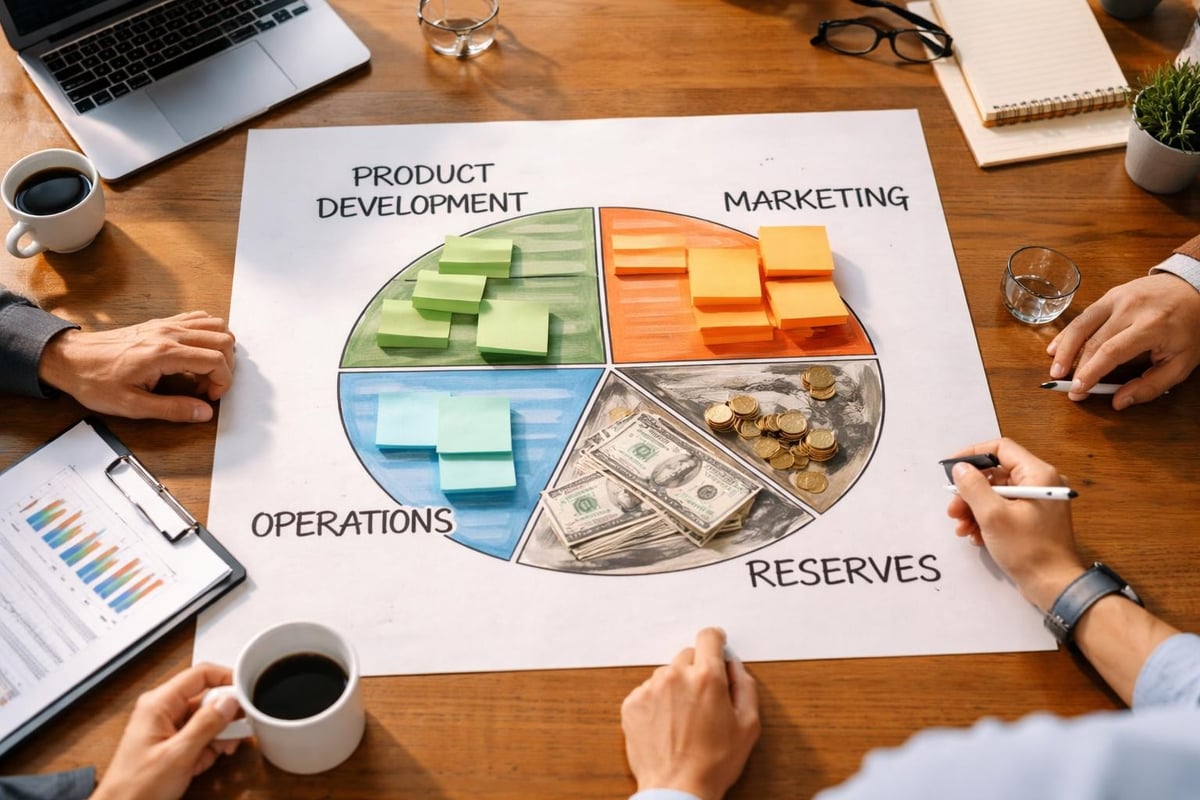
Beyond financial resources, startup founders must allocate their time strategically. The demands pull in multiple directions: product development, customer conversations, fundraising, team building, and strategic planning all compete for attention.
Effective founders protect time for deep work on critical priorities whilst remaining accessible to their teams and customers. They recognise that their primary role in the early stages involves:
The development phase separates theoretical business plans from market-ready products. Startup founders who approach this stage strategically increase their odds of success significantly.
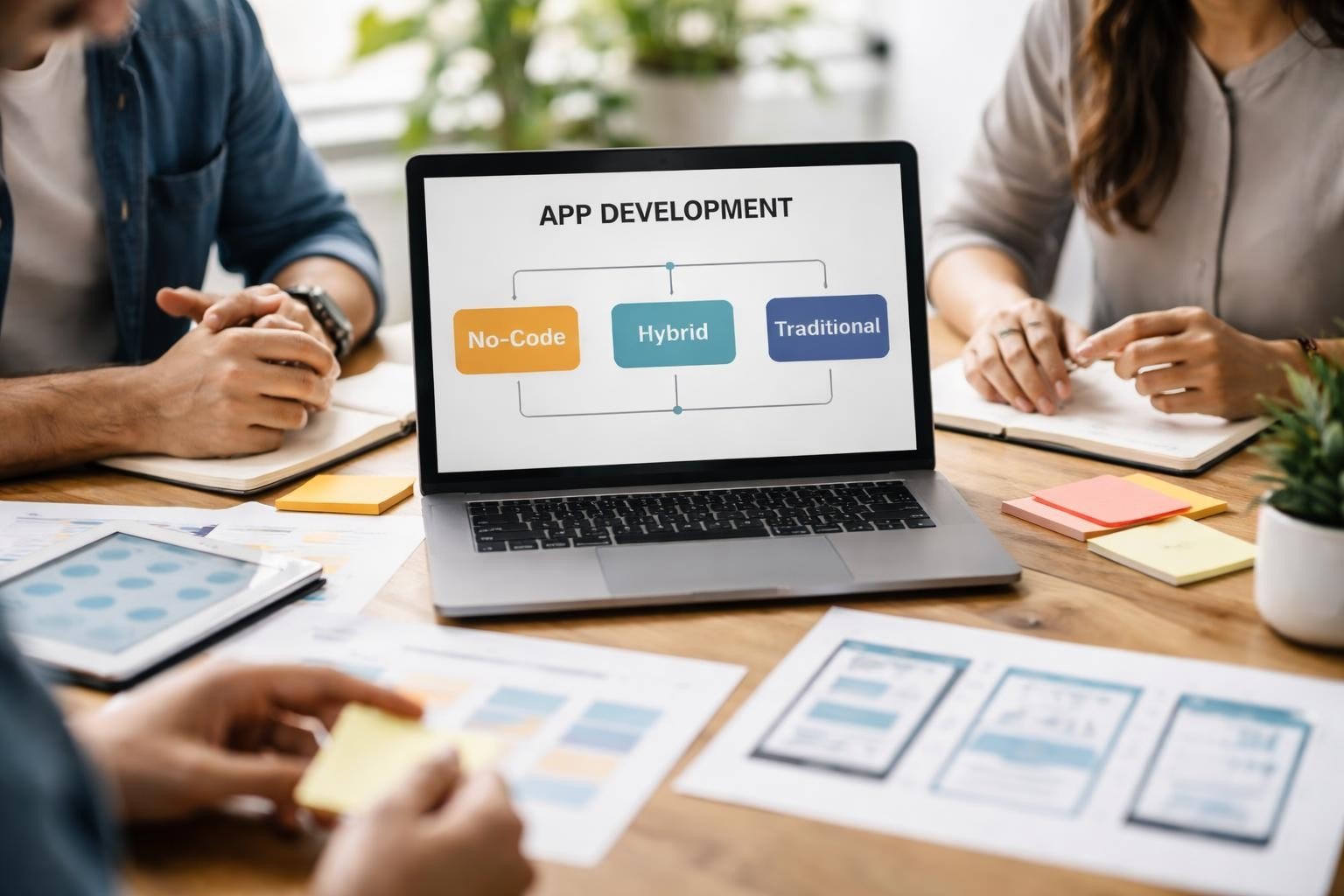
Development options available to founders in 2026:
| Approach | Speed to Market | Cost | Scalability | Control |
|---|---|---|---|---|
| Traditional Code | 6-12 months | £50k-£200k | High | Complete |
| No-Code Platforms | 4-8 weeks | £5k-£30k | Medium-High | Moderate |
| Hybrid Solutions | 3-5 months | £20k-£80k | High | High |
| Outsourced Dev Teams | 4-9 months | £30k-£150k | Variable | Limited |
When startup founders partner with specialists for MVP development, they accelerate time-to-market whilst benefiting from expertise in product strategy, user experience design, and technical implementation. This approach allows non-technical founders to compete effectively without spending years learning to code.
The comparison between no-code and traditional development reveals that modern platforms offer surprising sophistication. Applications built on no-code infrastructure now handle thousands of users, complex workflows, and integrations with enterprise systems.
Deciding what to build first challenges even experienced startup founders. Several frameworks help guide these decisions:
The MoSCoW Method:
Ruthless prioritisation means startup founders often disappoint stakeholders by cutting favourite features. However, focus creates clarity. A product that solves one problem brilliantly outperforms one that addresses many problems adequately.
Many startups involve multiple founders, introducing interpersonal dynamics that significantly impact success. Clear communication, aligned expectations, and defined roles prevent conflicts that derail promising ventures.
Founding teams must address ownership and authority early. Vague agreements create resentment when the venture gains traction. Successful startup founders document:
Founder's syndrome represents a particular risk as companies grow. The traits that help startup founders launch ventures sometimes become liabilities as organisations mature. Recognising when to delegate, when to hire expertise, and when to step back requires self-awareness and humility.

The debate between solo and team founding continues, with compelling arguments on both sides. Solo startup founders maintain complete control and avoid partnership conflicts, but lack the diverse skill sets and support systems that teams provide.
Advantages of solo founding:
Team founding benefits:
The optimal structure depends on the specific venture, market, and individual circumstances. Successful startup founders exist in both configurations.
Metrics guide startup founders through the uncertainty of early-stage ventures. Choosing the right indicators provides insight into traction, product-market fit, and growth potential.
Startup founders should track these metrics weekly during the MVP phase, looking for trends rather than absolute numbers. Early data is messy, but patterns emerge that inform strategic decisions.
Knowing when to change direction versus pushing through obstacles challenges every founder. Neither blind persistence nor constant pivoting leads to success. Smart startup founders establish decision criteria before launching:
Pivot indicators:
Perseverance signals:
The decision often comes down to whether the current direction shows any positive signals worth amplifying or whether fundamental assumptions require revision.
Once startup founders achieve initial validation, attention shifts toward sustainable growth. This transition introduces new challenges around infrastructure, team building, and operational complexity.
Products that work for 50 users sometimes break at 500 or 5,000. Forward-thinking startup founders consider scalability from day one, even when launching MVPs. Understanding how to make apps with growth in mind prevents costly migrations later.
Modern platforms handle impressive scale when architected properly. The key involves identifying potential bottlenecks early and designing systems that accommodate growth without complete rebuilds.
Solo startup founders eventually need help. Knowing when and who to hire significantly impacts culture and capability. Early hires shape company DNA far more than later additions.
Critical early roles:
Many founders hire too quickly, creating overhead that strains limited resources. Others wait too long, becoming bottlenecks that slow growth. The balance requires honest assessment of what the founder does well versus where specialist expertise adds disproportionate value.
Not all startup founders pursue external investment, but those who do face a distinct set of challenges and opportunities. Fundraising consumes significant time and energy whilst offering resources to accelerate growth.
Bootstrapping advantages:
Investment benefits:
The choice depends on market dynamics, competitive landscape, and founder goals. Businesses requiring significant upfront investment before revenue generation typically need outside capital. Those with quick paths to profitability might bootstrap successfully.
The journey of startup founders in 2026 combines strategic thinking, rapid execution, and continuous learning. Success requires validating assumptions quickly, building with scalability in mind, and maintaining focus on delivering genuine value to customers. Whether you're a first-time founder or launching your next venture, partnering with specialists who understand the unique challenges of MVP development accelerates your path to market. Creator Concepts works alongside entrepreneurs to transform ideas into validated products, providing the technical expertise and strategic guidance that turns vision into reality.
© 2026 CreatorConcepts Limited
128 City Road, London EC1V 2NX