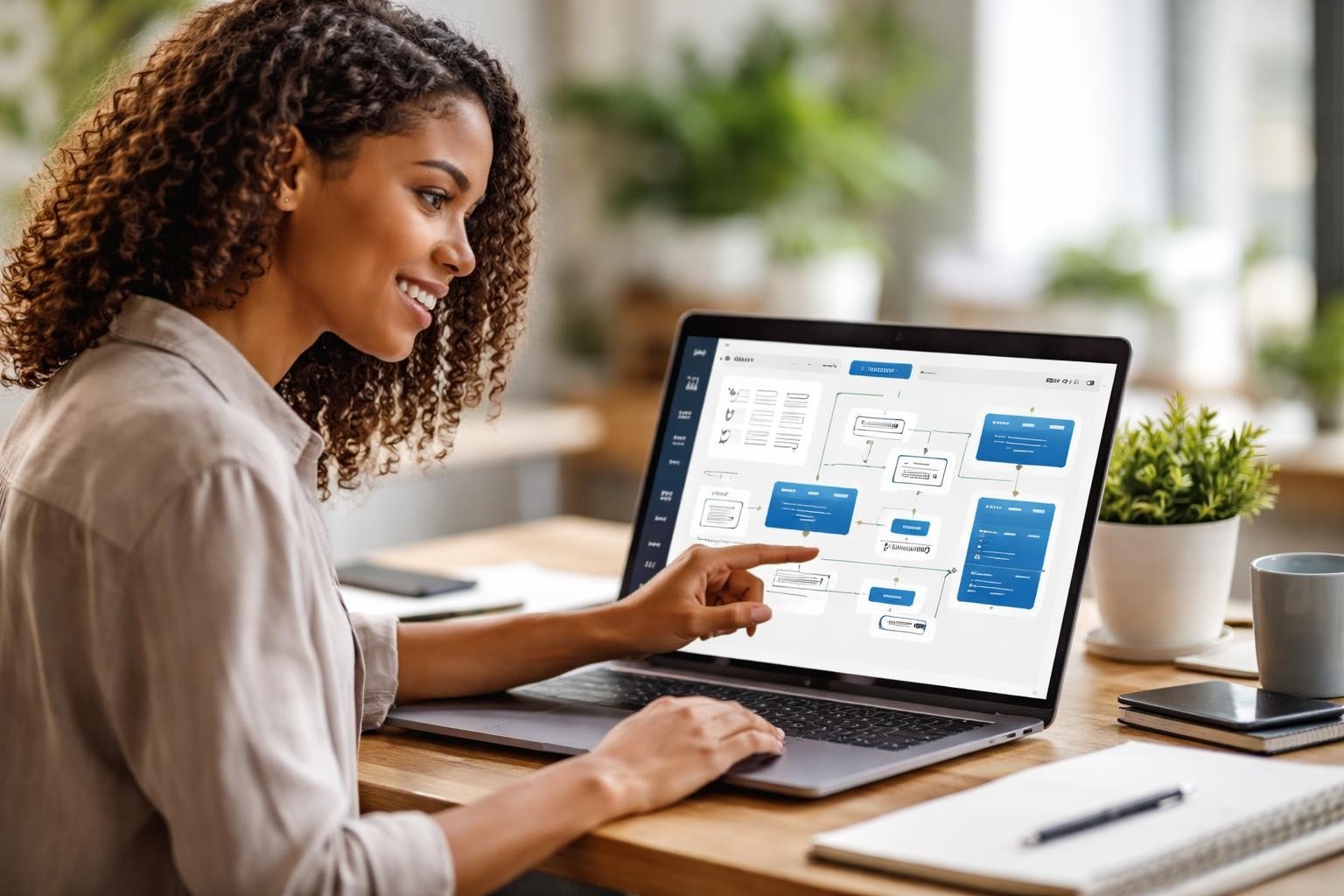
Selecting the right development partner can determine whether your startup thrives or struggles in an increasingly competitive digital landscape. The best application developers don't simply write code-they transform business concepts into scalable, user-centric products that solve real problems. With the rapid evolution of development methodologies, from traditional coding to sophisticated no-code platforms, entrepreneurs face more choices than ever when building their digital products. Understanding what separates exceptional developers from average ones requires examining technical capabilities, delivery methodologies, and strategic thinking in equal measure.
The application development industry has transformed dramatically over the past few years. Traditional development approaches now coexist with innovative methodologies that prioritise speed and flexibility.
Modern development teams leverage diverse technology stacks depending on project requirements. AWS Developer resources have become essential for building scalable cloud-native applications, whilst visual development platforms enable rapid iteration without sacrificing functionality.
Key shifts shaping development in 2026:
The best application developers adapt their approach based on project constraints rather than defaulting to familiar technologies. They evaluate time-to-market requirements, budget limitations, and scalability needs before recommending specific platforms or methodologies.
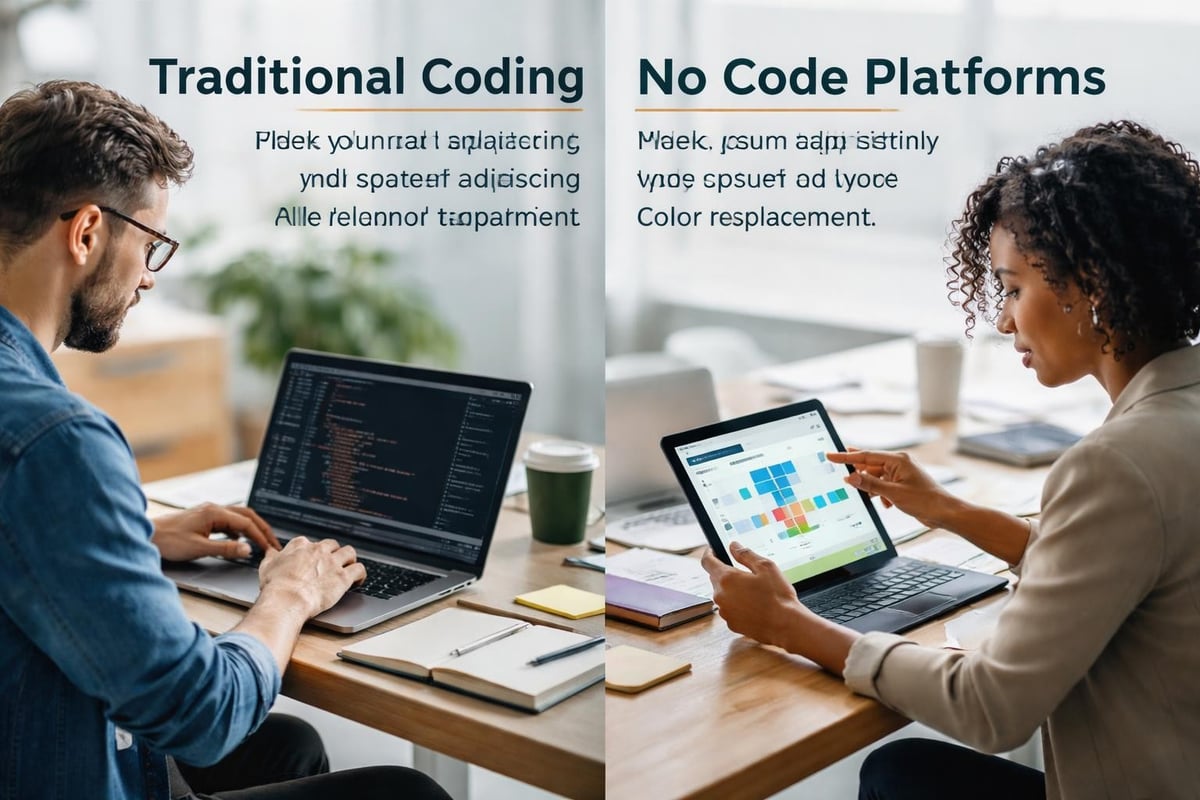
Different projects demand different development environments. Mobile applications targeting iOS users require developers proficient in Swift and familiar with Apple's development ecosystem, whilst Android projects necessitate expertise with Kotlin and Android development best practices.
Web applications present their own considerations. Developers working with modern web technologies must understand responsive design, progressive enhancement, and cross-browser compatibility whilst maintaining performance standards.
| Platform Type | Primary Use Case | Key Consideration |
|---|---|---|
| Native iOS/Android | Consumer mobile apps | Platform-specific features, app store requirements |
| Progressive Web Apps | Cross-platform reach | Offline functionality, installation prompts |
| No-code platforms | Rapid MVP development | Customisation limits, scalability planning |
| Custom web applications | Complex business logic | Maintenance overhead, technical debt management |
For startups and entrepreneurs, the platform choice often determines both initial velocity and long-term flexibility. No-code web development platforms have matured significantly, offering sophisticated capabilities whilst maintaining rapid development cycles.
Technical proficiency represents just one dimension of exceptional development talent. The best application developers combine multiple competencies that extend well beyond coding ability.
Outstanding developers understand business context. They ask probing questions about target users, revenue models, and competitive positioning before suggesting technical solutions.
This business awareness enables them to:
When evaluating potential development partners, assess their curiosity about your business model. Developers who only discuss technical specifications without exploring strategic objectives rarely deliver transformative solutions.
The development process involves continuous decision-making and inevitable trade-offs. Best application developers communicate technical concepts clearly to non-technical stakeholders whilst remaining receptive to feedback.
Effective developer communication includes:
For non-technical founders, accessible communication becomes especially critical. Development partners who demystify the technical process empower founders to make informed decisions about their products.
How developers work often matters as much as what they build. Delivery methodologies significantly impact timeline predictability, cost control, and final product quality.
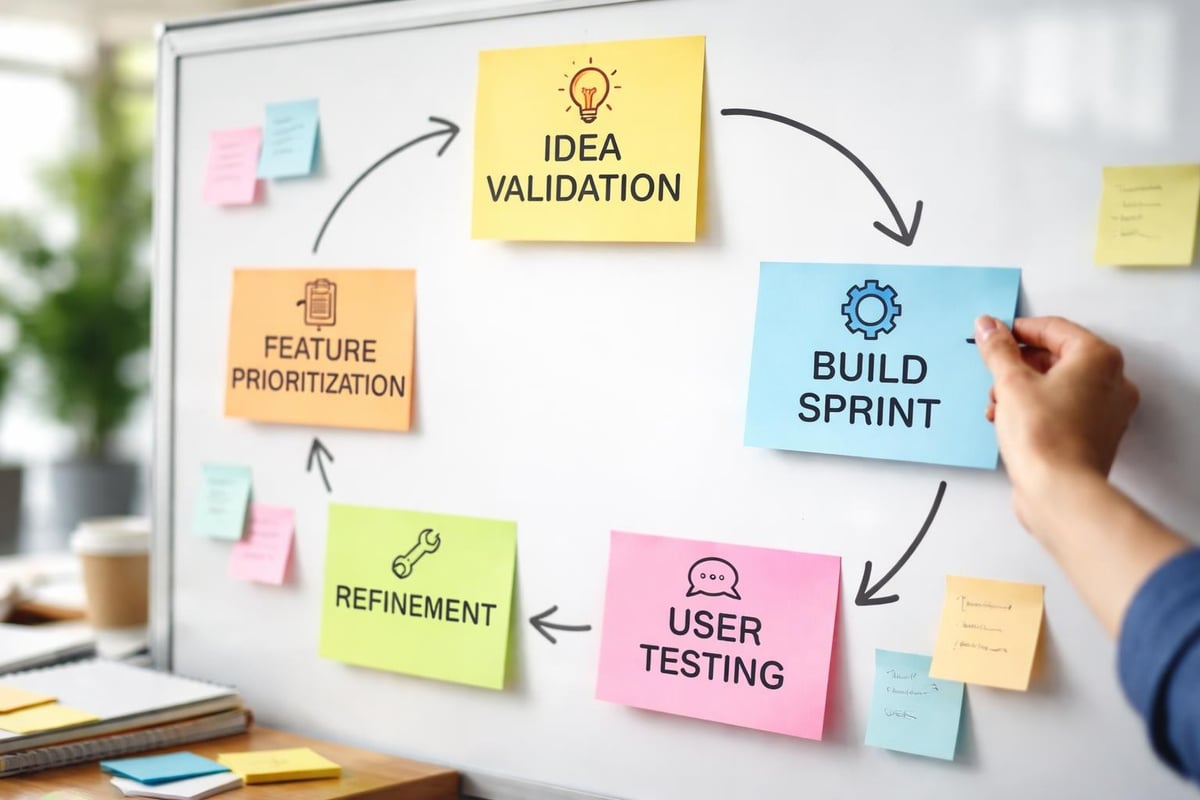
The best application developers embrace iterative approaches that deliver functional increments regularly. This methodology enables course corrections based on user feedback rather than building extensively before validation.
Agile development typically involves:
This approach aligns particularly well with MVP development, where speed to market and validation capability outweigh comprehensive feature sets. Startups benefit from seeing progress weekly rather than waiting months for initial releases.
Engagement structures profoundly affect project dynamics. Fixed-price arrangements provide budget certainty but often sacrifice flexibility as requirements evolve. Time-and-materials models offer adaptability whilst requiring careful scope management.
| Engagement Model | Best For | Primary Risk |
|---|---|---|
| Fixed-price | Well-defined requirements, limited unknowns | Scope creep disputes, quality shortcuts |
| Time-and-materials | Exploratory projects, evolving requirements | Budget overruns, timeline extensions |
| Retainer-based | Ongoing development, continuous improvement | Utilisation efficiency, priority conflicts |
| Equity partnerships | Resource-constrained startups | Alignment challenges, valuation disputes |
The best application developers remain transparent about how their engagement model affects decision-making and project outcomes. They establish clear change management processes regardless of commercial structure.
Whilst generalist developers offer breadth, specialists bring depth in specific domains. Understanding these distinctions helps match developer expertise to project requirements.
Full-stack developers handle both frontend interfaces and backend systems, providing continuity across the entire application architecture. Specialists focus deeply on particular layers, offering advanced capabilities in their domain.
For early-stage startups, full-stack developers or integrated teams often provide better velocity. They eliminate handoff delays and maintain consistent vision throughout the stack.
Frontend specialisations include:
Backend specialisations encompass:
The best application developers honestly assess whether projects require specialist expertise or benefit from generalist approaches. They recommend team compositions that balance capability with efficiency.
Visual development platforms have reached impressive sophistication levels in 2026. Developers specialising in these tools deliver production-ready applications in fractions of traditional timelines.
Platforms like Bubble.io enable complex functionality without custom coding, though comparing Bubble with custom development reveals important trade-offs. Expert no-code developers understand platform limitations whilst maximising capabilities through creative problem-solving.
When evaluating no-code specialists, examine their portfolio for applications demonstrating:
These developers often deliver MVP development in weeks rather than months, enabling faster market validation whilst maintaining professional quality standards.
Past work reveals capability more reliably than credentials or certifications. The best application developers showcase diverse projects demonstrating both technical proficiency and business impact.
Examine portfolios for variety in project types, complexity levels, and industries served. Developers working exclusively in single sectors may lack adaptability, whilst those showing only trivial applications might struggle with sophisticated requirements.
Portfolio evaluation criteria:
Request access to live demonstrations when possible. Interacting with actual applications reveals subtleties invisible in static presentations.
The best application developers explain architectural choices in portfolio discussions. Ask about technology stack selections, database designs, and scalability approaches for featured projects.
Their responses reveal problem-solving methodology and technical depth. Vague answers or inability to discuss trade-offs suggest superficial involvement or limited understanding.
| Question Area | What It Reveals |
|---|---|
| "Why did you choose this technology stack?" | Strategic thinking, awareness of alternatives |
| "How does this application handle increased users?" | Scalability planning, performance consciousness |
| "What was the biggest technical challenge?" | Problem-solving ability, honesty about difficulties |
| "How did user feedback influence the product?" | User-centricity, iterative approach |
Development costs vary enormously based on location, experience level, and engagement model. Understanding pricing structures helps establish realistic budgets whilst avoiding costly mistakes.
Developer rates reflect both market conditions and expertise levels. London-based agencies typically command premium rates compared to regional UK developers, who in turn price above offshore teams.
However, hourly rates tell incomplete stories. A more expensive developer delivering superior code in less time often provides better value than cheaper alternatives requiring extensive revisions or producing unmaintainable systems.
Typical UK development rates in 2026:
The best application developers provide transparent pricing with clear deliverable definitions. They outline what's included, what incurs additional costs, and how scope changes affect budgets.

Initial development represents just one component of total ownership costs. Ongoing maintenance, hosting infrastructure, third-party services, and future enhancements accumulate significantly over time.
Experienced developers help clients understand:
For software development projects, total cost of ownership over three years often doubles or triples initial build investments. Budget accordingly from project inception.
Thorough evaluation processes reduce the likelihood of mismatched partnerships. The best application developers welcome scrutiny and provide information transparently throughout selection processes.
First interactions reveal much about potential partnerships. Developers who listen attentively, ask insightful questions, and provide preliminary strategic guidance demonstrate commitment to client success beyond securing contracts.
Red flags during initial consultations:
Conversely, positive indicators include detailed discussion of your target users, exploration of alternative approaches, and honest acknowledgement of potential difficulties.
Request references from previous clients with similar project types. Specific questions yield more valuable insights than general satisfaction enquiries.
Productive reference questions include:
For technical validation, consider involving a trusted technical advisor to review proposed architectures or code samples. This investment often prevents far costlier mistakes.
Different projects demand different developer profiles. Understanding these distinctions enables better matching between capabilities and needs.
Startup MVPs prioritise speed, flexibility, and validation capability. The best application developers for these projects embrace ambiguity, iterate rapidly based on feedback, and balance quality with velocity.
Enterprise applications emphasise reliability, security, and integration with existing systems. These projects suit developers comfortable with extensive documentation, compliance requirements, and rigorous testing protocols.
Neither approach is superior-they serve different purposes. Matching developer mindset to project phase prevents frustration on both sides.
Consumer-facing applications demand exceptional user experience, visual polish, and performance optimisation. Internal dashboard development prioritises functionality, data accuracy, and workflow efficiency over aesthetic refinement.
Developers specialising in consumer products often struggle with the different priorities of internal tools, whilst enterprise-focused developers may under-invest in user experience for public applications.
Partnership quality affects outcomes as significantly as technical capability. The best application developers cultivate collaborative relationships characterised by mutual respect and shared objectives.
Define communication expectations explicitly at project commencement. Specify preferred channels, response time expectations, and update frequencies to prevent misunderstandings.
Effective protocols typically include:
These frameworks create accountability whilst reducing miscommunication friction that derails projects.
Feature creep destroys timelines and budgets more reliably than any other factor. The best application developers help clients prioritise ruthlessly, distinguishing essential functionality from desirable enhancements.
Implement formal change request processes even for seemingly minor adjustments. Document the impact of each change on timeline and budget before implementation decisions.
| Change Type | Typical Impact | Approval Level |
|---|---|---|
| Minor UI adjustment | Minimal | Developer discretion |
| New field or data point | Low | Project manager |
| Additional user role | Moderate | Stakeholder approval |
| New integration | Significant | Formal change request |
| Workflow modification | High | Executive approval |
Applications must accommodate growth without complete rebuilds. The best application developers architect systems anticipating expansion whilst avoiding premature optimisation.
Technical scalability involves both performance under load and architectural flexibility for new features. Developers should articulate how proposed systems handle 10x or 100x user growth.
Database design particularly affects long-term scalability. Poorly structured data models create cascading problems as applications mature, whilst thoughtful schemas accommodate evolution gracefully.
Platforms and frameworks evolve constantly. Selecting technologies with strong community support, regular updates, and clear migration paths reduces maintenance burden.
The best application developers balance cutting-edge capabilities with stability and longevity. They avoid experimental technologies for production systems whilst remaining aware of emerging tools that might provide advantages.
Selecting exceptional development partners requires evaluating technical expertise, communication capabilities, and strategic thinking in combination. The best application developers transform business concepts into functional products whilst maintaining transparency throughout the development journey. If you're a founder or entrepreneur looking to validate your startup idea rapidly, Creator Concepts specialises in building award-winning MVPs using no-code platforms, delivering production-ready applications in weeks rather than months. Our Canary Wharf-based team combines technical excellence with startup-focused thinking to help you launch confidently and iterate based on real user feedback.
© 2026 CreatorConcepts Limited
128 City Road, London EC1V 2NX