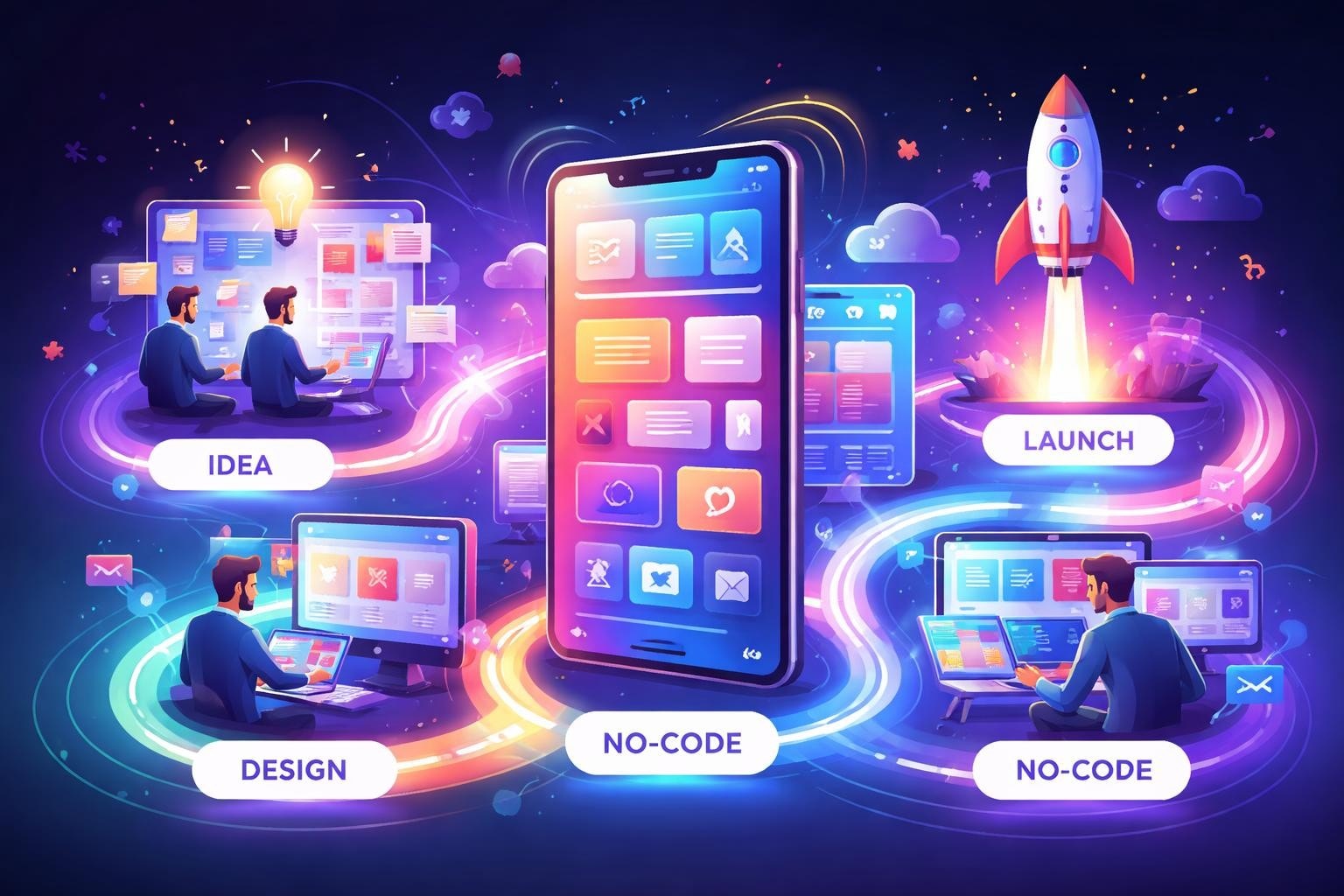

The landscape of app creating has fundamentally transformed over the past few years, offering entrepreneurs unprecedented opportunities to bring their ideas to life without traditional barriers. In 2026, founders no longer need extensive technical knowledge or massive budgets to build functional, scaleable applications. This shift has democratised innovation, enabling startup creators to validate concepts rapidly and iterate based on real user feedback. Understanding the modern approach to app creating is essential for any entrepreneur looking to compete in today's digital marketplace.
The app creating ecosystem has matured significantly, with platforms now offering enterprise-grade capabilities accessible to non-technical founders. Modern development environments combine visual programming interfaces with powerful backend infrastructure, allowing creators to build sophisticated applications in weeks rather than months.
No-code and low-code platforms have emerged as the dominant force in rapid application development. These tools enable founders to construct complex workflows, manage databases, and integrate third-party services without writing traditional code. The rise of low-code/no-code development represents one of the most significant shifts in software creation.
Key advantages include:
The question many founders face is whether no-code platforms remain viable compared to custom coding. For most startups, the answer lies in understanding their specific needs, timeline constraints, and growth trajectory.
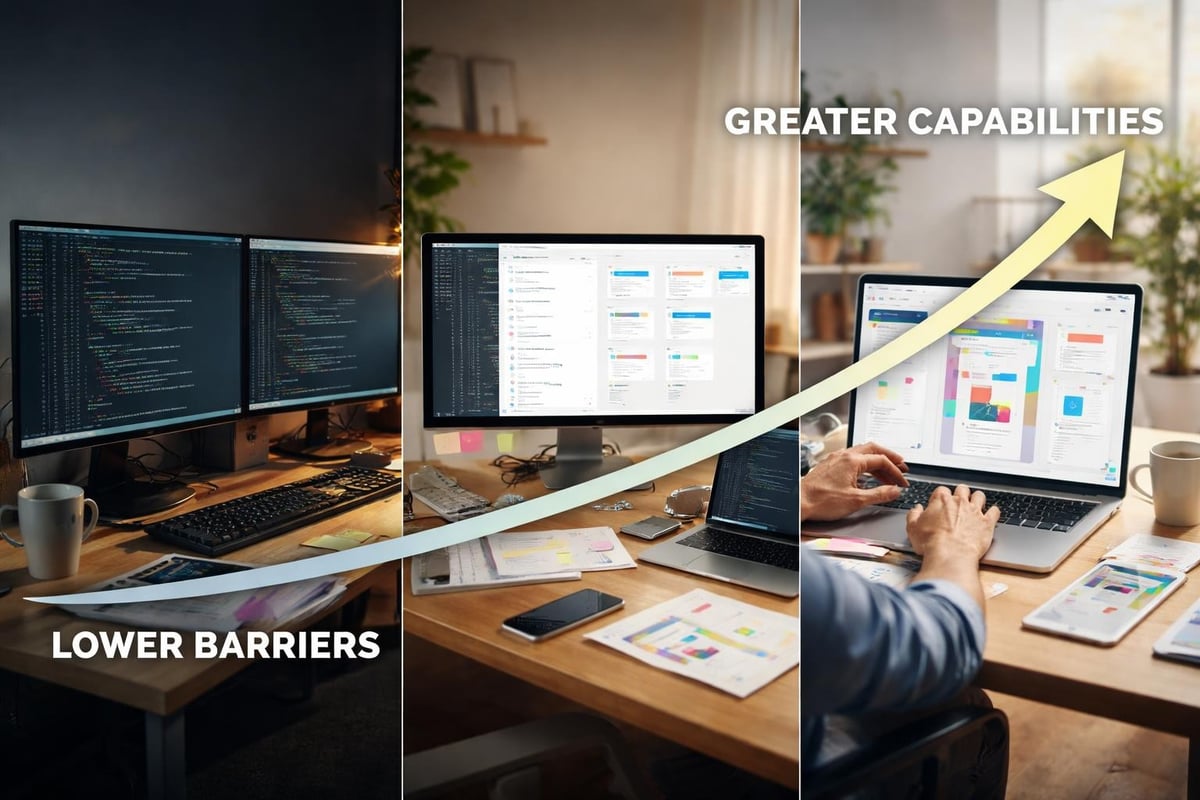
App creating begins with selecting the appropriate development methodology. Founders must weigh factors including budget, technical expertise, timeline, and scalability requirements.
| Development Approach | Timeline | Cost | Technical Skills Required | Scalability |
|---|---|---|---|---|
| Traditional Coding | 6-12 months | £50,000-£200,000 | High | Excellent |
| No-Code Platforms | 4-12 weeks | £5,000-£30,000 | Low | Good to Excellent |
| Hybrid Approach | 3-6 months | £20,000-£80,000 | Medium | Excellent |
| Agency Partnership | 6-16 weeks | £15,000-£60,000 | None | Excellent |
The hybrid approach combines no-code development for rapid prototyping with custom code for specific functionality. This strategy allows startups to validate concepts quickly whilst maintaining the option to extend capabilities as needed.
For non-technical founders navigating app development, partnering with experienced agencies can provide the best of both worlds: speed and professional guidance.
Successful app creating starts long before any development work begins. Strategic planning determines whether an application will resonate with users or join the vast graveyard of abandoned projects.
The MVP concept remains central to modern app creating. Rather than building comprehensive applications with numerous features, successful founders focus on core functionality that addresses a specific pain point. This approach enables faster market entry and reduces wasted resources on unvalidated assumptions.
Essential MVP components include:
Many entrepreneurs benefit from MVP development services that help validate ideas using scaleable prototypes designed and launched within weeks. This approach prioritises learning over perfection, allowing founders to gather real-world feedback before committing to extensive development.
The app creating process should incorporate user research from the earliest stages. Understanding your target audience's behaviours, preferences, and frustrations informs every design and functional decision. Conducting interviews, surveys, and competitive analysis provides crucial insights that shape product direction.
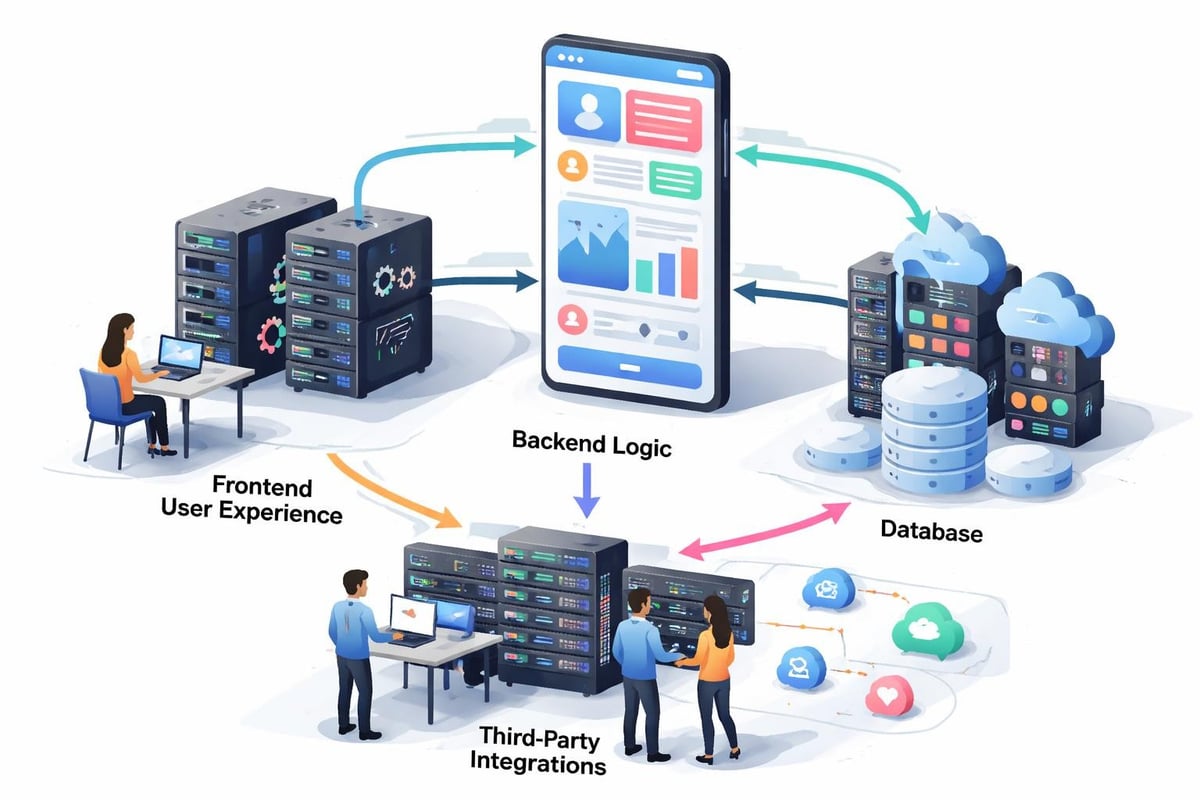
Even when using no-code platforms, understanding basic technical architecture improves decision-making during app creating. Modern applications typically comprise several interconnected components:
For those exploring which apps to build, market demand should guide technical choices. Applications serving clear market needs with strong monetisation potential deserve more sophisticated architecture planning.
The University at Buffalo outlines comprehensive app development best practices that remain relevant across all development approaches. These guidelines emphasise coding standards, error handling, and security measures that protect both users and creators.
App creating success hinges on delivering exceptional user experiences. Applications that confuse, frustrate, or overwhelm users fail regardless of their underlying technology. Design thinking should permeate every stage of development.
Core UX principles include:
The FEAD framework demonstrates how integrating advanced design tools into app development improves UI/UX outcomes. This structured approach helps developers enhance both aesthetics and functionality systematically.
Best practices for developing user-friendly mobile applications emphasise optimising speed and performance whilst adopting mobile-first design approaches. These considerations prove particularly important as mobile usage continues dominating digital interactions.
Modern app creating must prioritise security from inception. Data breaches and privacy violations damage reputation, erode trust, and potentially result in significant legal consequences.
Essential security measures include:
For applications handling sensitive information, implementing robust user authentication and security measures becomes non-negotiable. This includes multi-factor authentication, session management, and proper data encryption both in transit and at rest.
Thorough testing separates professional applications from amateur projects. App creating without comprehensive quality assurance leads to poor user experiences, negative reviews, and ultimately, product failure.
Nine best practices for mobile app development highlight the importance of implementing effective testing strategies throughout the development lifecycle. Testing should occur continuously rather than as a final pre-launch activity.
Testing categories include:
| Testing Type | Purpose | When to Conduct | Who Conducts |
|---|---|---|---|
| Unit Testing | Verify individual components | During development | Developers |
| Integration Testing | Ensure components work together | During development | Developers |
| User Acceptance Testing | Validate against requirements | Pre-launch | Stakeholders |
| Beta Testing | Identify real-world issues | Pre-launch | Selected users |
| Performance Testing | Assess speed and scalability | Throughout | Developers/QA |
Beta testing with actual users provides invaluable insights that internal testing cannot replicate. Real users interact with applications differently than developers anticipate, revealing usability issues and unexpected use cases.
The app creating landscape continues evolving rapidly, with several trends fundamentally reshaping how founders approach development in 2026.
AI capabilities have become increasingly accessible to app creators, enabling sophisticated functionality without complex implementation. Natural language processing, predictive analytics, and personalisation engines can now be integrated through simple API connections.
However, AI-generated software raises important questions about reliability, security, and long-term maintainability. Founders must balance innovation with practical considerations about code quality and technical debt.
The integration of AI and machine learning represents a significant opportunity for differentiation. Applications that leverage these technologies to deliver personalised experiences or automate complex tasks gain competitive advantages in crowded markets.
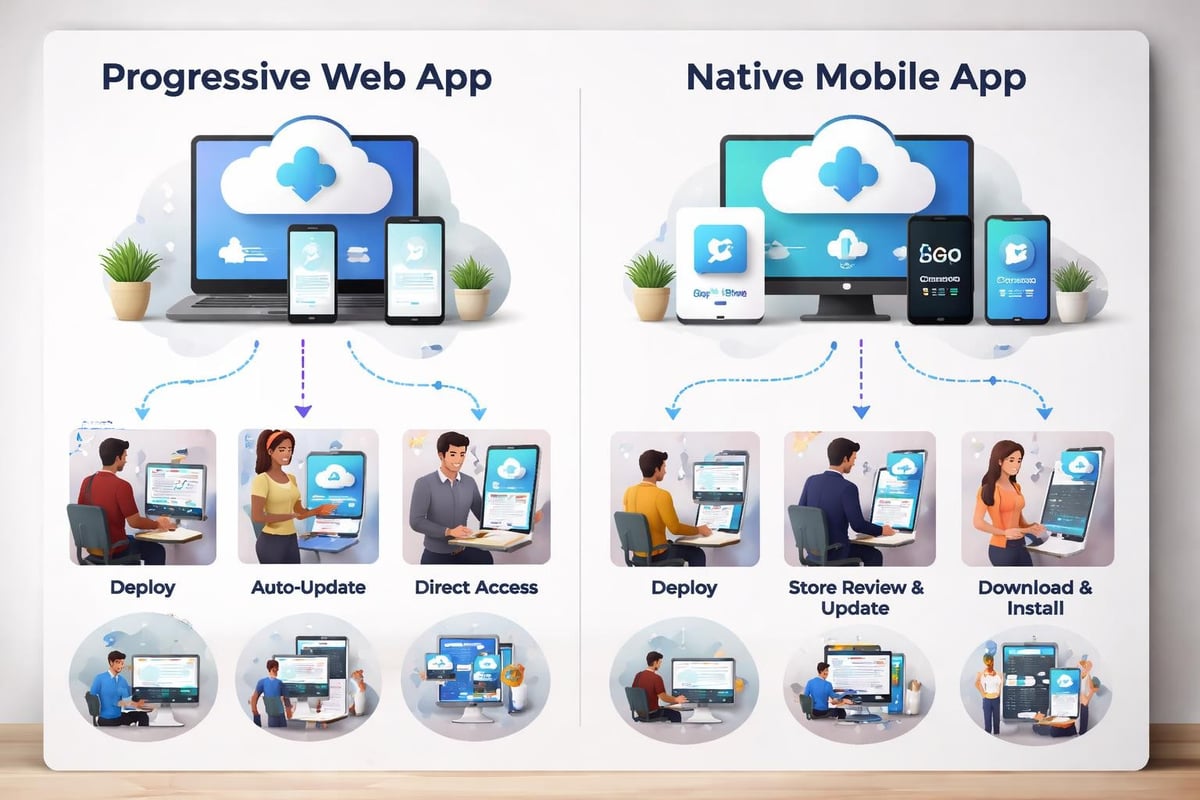
PWAs have matured into viable alternatives to native mobile applications. These web-based applications offer app-like experiences whilst avoiding app store restrictions and approval processes. For certain use cases, PWAs provide faster deployment and broader accessibility.
PWA advantages include:
Understanding different approaches to app creation helps founders select the most appropriate technology for their specific requirements and target audience.
Privacy concerns continue escalating, with users becoming increasingly selective about which applications they trust with personal data. App creating in 2026 must incorporate privacy-by-design principles from the earliest planning stages.
Trends in mobile app development emphasise increased attention to privacy and security alongside technological advancements like 5G and edge computing. These considerations influence architecture decisions and feature implementation.
Transparent data practices, minimal data collection, and user control over information build trust and compliance. Applications that prioritise privacy often achieve better user retention and positive word-of-mouth growth.
App creating doesn't end at launch. Successful founders view initial releases as the beginning of an ongoing improvement process informed by user behaviour and feedback.
Implementing analytics from day one provides crucial insights into how users interact with your application. Tracking key metrics reveals which features resonate, where users encounter friction, and what drives conversions or engagement.
Essential metrics to monitor:
This data informs prioritisation for subsequent development cycles. Rather than guessing what users want, founders can make evidence-based decisions about where to focus resources.
Direct user feedback complements quantitative analytics with qualitative insights. Understanding the "why" behind user behaviours requires conversations, surveys, and observation.
Effective feedback collection includes:
The fastest-growing applications maintain tight feedback loops, implementing improvements weekly or monthly rather than quarterly or annually. This agility demonstrates responsiveness to user needs whilst keeping the product competitive.
As user bases grow, app creating challenges shift from building functionality to maintaining performance and reliability at scale. Planning for growth prevents technical limitations from constraining business success.
Modern no-code platforms handle much of the scaling complexity automatically, but founders still need awareness of performance considerations. Database query optimisation, efficient workflows, and proper caching strategies prevent slowdowns as data volumes increase.
No-code platforms versus traditional development each offer distinct scaling characteristics. Understanding these differences helps founders anticipate when platform migrations or architectural changes might become necessary.
Performance optimisation focuses on:
Regular performance audits identify bottlenecks before they impact user experience. Proactive optimisation proves more cost-effective than reactive crisis management.
Growing applications typically require expanding teams. App creating processes should accommodate multiple contributors working simultaneously without conflicts or confusion.
Version control, documentation, and clear architectural patterns become essential. Even within no-code environments, establishing standards for naming conventions, workflow organisation, and testing protocols prevents chaos as complexity increases.
App creating in 2026 offers unprecedented opportunities for entrepreneurs willing to embrace modern development methodologies and user-centric design principles. By focusing on clear value propositions, leveraging appropriate technology platforms, and maintaining tight feedback loops with users, founders can build successful applications without traditional barriers of time and cost. If you're ready to transform your concept into a validated MVP, Creator Concepts specialises in helping entrepreneurs and startups launch award-winning applications using no-code development, delivering functional prototypes in weeks rather than months.
© 2026 CreatorConcepts Limited
128 City Road, London EC1V 2NX