

Application development design represents the critical foundation upon which successful digital products are built. In 2026, the landscape has evolved dramatically, with user expectations at an all-time high and technology platforms offering unprecedented capabilities. For entrepreneurs and startups, understanding the principles and practices of effective application development design can mean the difference between a product that resonates with users and one that fails to gain traction. This comprehensive guide explores the essential components, methodologies, and strategic considerations that shape modern application development design.
Application development design encompasses far more than aesthetic choices or visual layouts. It represents a holistic approach to creating digital products that solve real problems whilst delivering exceptional user experiences. The discipline integrates user research, information architecture, interface design, and technical planning into a cohesive strategy.
At its core, application development design addresses three fundamental questions: what problem does the application solve, who will use it, and how will they interact with it? These questions inform every subsequent decision throughout the development lifecycle. By establishing clear answers early, teams can avoid costly redesigns and ensure alignment between business objectives and user needs.
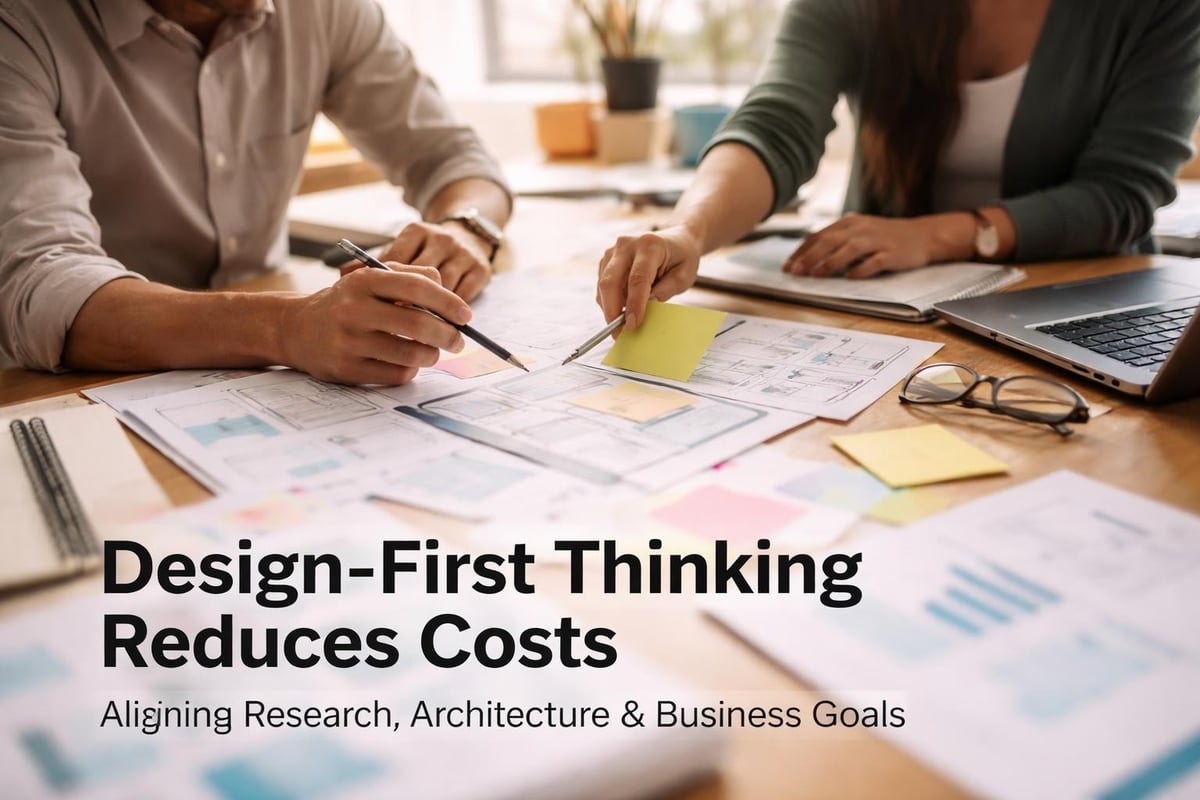
Organizations that prioritize application development design from the outset consistently deliver superior products. Research demonstrates that investing in design during the planning phase reduces development costs by up to 50% and accelerates time-to-market significantly. This approach, often called design-first thinking, ensures technical decisions support user goals rather than constraining them.
Key benefits of design-first methodology include:
The fundamental principles for application development emphasize methodology independence and technology agnosticism, allowing teams to select the most appropriate tools for their specific context. This flexibility proves particularly valuable for startups working with constraints around budget and timeline.
Several established principles guide successful application development design across industries and platforms. Understanding these principles enables teams to make informed decisions that enhance both usability and technical performance.
User-centric design places actual user needs, behaviours, and contexts at the centre of all design decisions. This principle requires continuous engagement with target users throughout the development process, from initial research through post-launch iterations. The user-centric design approach emphasizes understanding user needs before defining features.
Modern application development design relies on multiple research methodologies to understand users comprehensively. These include interviews, surveys, usability testing, analytics review, and contextual inquiry. Each method provides distinct insights that inform design choices.
| Research Method | Primary Insights | Best Used When |
|---|---|---|
| User Interviews | Motivations, pain points, goals | Exploring new problem spaces |
| Usability Testing | Interaction difficulties, confusion | Validating design solutions |
| Analytics Review | Usage patterns, drop-off points | Optimizing existing features |
| Surveys | Quantitative preferences, demographics | Understanding broad user segments |
Consistency creates intuitive experiences by establishing patterns users can recognize and rely upon. When interface elements behave predictably, users expend less cognitive effort navigating the application, allowing them to focus on their objectives rather than learning the interface.
Consistency operates across multiple dimensions within application development design. Visual consistency ensures similar elements appear alike. Functional consistency means similar actions produce similar results. External consistency aligns with platform conventions and user expectations formed by other applications.
Effective application development design removes unnecessary complexity whilst retaining essential functionality. This principle, often summarized as "less is more," challenges teams to justify every element, interaction, and piece of information within the interface.
Simplicity doesn't mean oversimplification. Rather, it represents thoughtful prioritization that surfaces the most important features whilst making secondary functions accessible without cluttering the primary experience. The principles of app interface design emphasize efficiency alongside simplicity, ensuring users accomplish tasks with minimal steps.
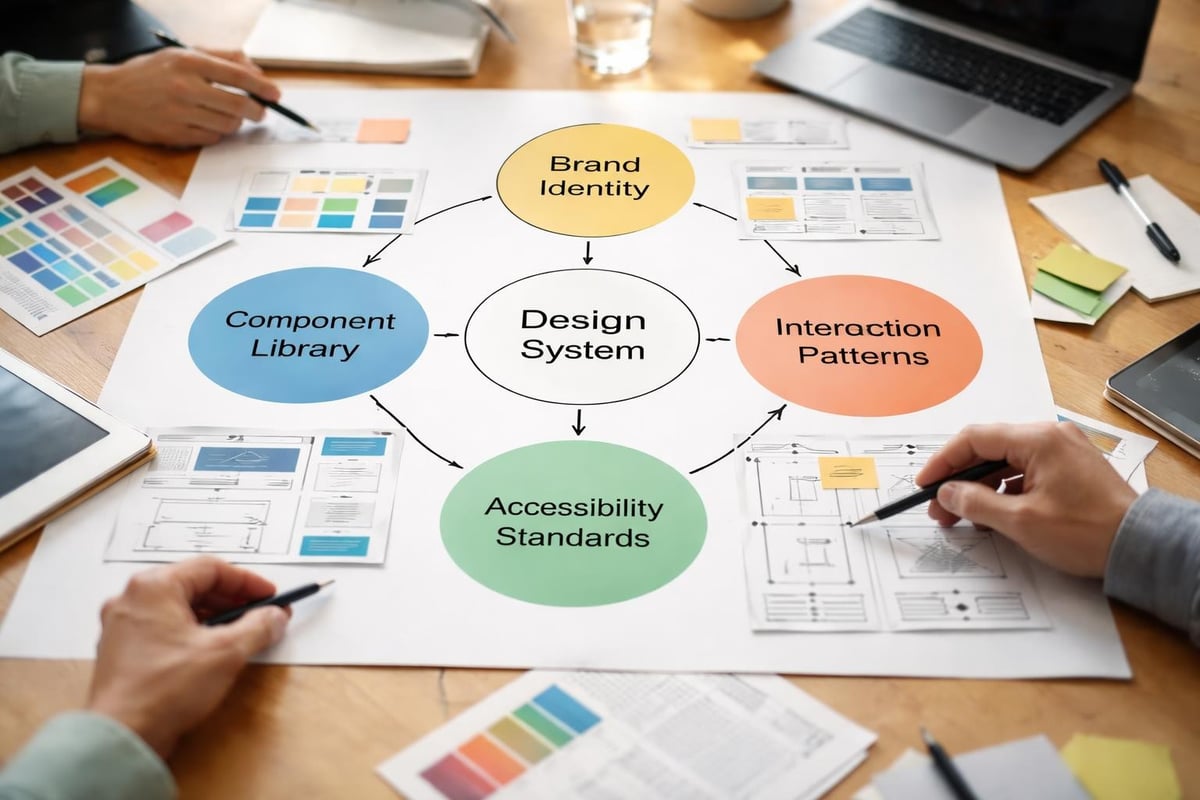
Design systems have emerged as critical tools for maintaining consistency and accelerating development in application development design. These comprehensive frameworks define reusable components, interaction patterns, and design principles that ensure coherence across the entire application.
A robust design system typically includes component libraries, style guides, pattern libraries, and design principles documentation. By establishing these resources early, teams enable multiple designers and developers to work simultaneously whilst maintaining consistency.
Essential design system components:
For startups and entrepreneurs, particularly those exploring no-code web development platforms, design systems offer significant advantages. They reduce the time required to make design decisions, ensure brand consistency, and facilitate handoff between design and development teams.
Information architecture (IA) represents the structural design of information within an application. It determines how content is organized, categorized, and accessed, fundamentally shaping the user's mental model of the product.
Effective IA in application development design begins with understanding user goals and content relationships. Card sorting exercises, tree testing, and user journey mapping help designers create structures that match user expectations rather than organizational hierarchies.
Navigation design translates information architecture into interactive systems that guide users through the application. Different navigation patterns suit different contexts, and selecting appropriate patterns significantly impacts usability.
| Navigation Pattern | Best For | Considerations |
|---|---|---|
| Tab Navigation | 3-5 primary sections | Limited to top-level categories |
| Hamburger Menu | Complex hierarchies | May reduce discoverability |
| Bottom Navigation | Mobile-first apps | Thumb-friendly on smartphones |
| Sidebar Navigation | Desktop applications | Provides persistent access |
| Breadcrumbs | Multi-level content | Clarifies location and path |
The best practices for application design emphasize logical layout structures that guide users naturally through workflows whilst maintaining orientation within the application hierarchy.
Modern application development design must accommodate diverse devices, screen sizes, and usage contexts. Responsive design ensures applications function effectively across this spectrum whilst maintaining usability and visual appeal.
Responsive approaches use flexible grids, fluid images, and media queries to adapt layouts dynamically. This technique provides a single codebase that responds to different viewport dimensions. Adaptive design, conversely, creates distinct layouts for specific breakpoints, offering greater control over the experience at each size.
For entrepreneurs building MVPs, responsive design typically offers the most practical balance between development efficiency and user experience. Understanding responsive design principles becomes essential when working with modern development platforms.
Mobile-first design reverses traditional workflows by beginning with mobile constraints before expanding to larger screens. This approach forces prioritization of essential features and content, often resulting in clearer, more focused designs across all devices.
The methodology aligns particularly well with application development design for startups, where resource constraints demand ruthless prioritization. By designing for the most limited context first, teams ensure core functionality remains accessible regardless of device. The principles of mobile app design provide valuable guidance for teams adopting this approach.
Visual design transforms wireframes and prototypes into polished interfaces that communicate brand personality whilst enhancing usability. Effective visual design in application development design balances aesthetic appeal with functional clarity, ensuring visual elements guide rather than distract users.
Colour theory, typography, imagery, and white space all contribute to visual hierarchy and user comprehension. Strategic use of colour directs attention, conveys meaning, and establishes emotional tone. Typography affects readability, scannability, and brand perception. White space provides visual breathing room and helps users process information efficiently.
Visual design considerations for applications:
Brand integration extends beyond logos and colour schemes to encompass the entire user experience. Tone of voice in microcopy, illustration style, animation characteristics, and interaction feedback all express brand personality whilst supporting usability.

Prototyping bridges the gap between concept and implementation in application development design. Prototypes range from low-fidelity sketches to high-fidelity interactive mockups, each serving distinct purposes throughout the design process.
Low-fidelity prototypes, including paper sketches and basic wireframes, enable rapid exploration of multiple concepts with minimal investment. These prove invaluable during early ideation when teams need to evaluate numerous approaches quickly. High-fidelity prototypes simulate the final product more closely, allowing for realistic user testing and stakeholder demonstrations.
Validation through user testing represents a critical component of effective application development design. Testing reveals usability issues, confusion points, and opportunities for improvement that even experienced designers might overlook.
For startups developing MVPs, validating ideas through scalable prototypes enables founders to test assumptions before committing significant resources to development. This iterative approach reduces risk whilst improving final product quality.
Accessibility in application development design ensures products remain usable by people with diverse abilities and circumstances. This includes visual, auditory, motor, and cognitive disabilities, as well as situational limitations like poor lighting or slow internet connections.
The application interface design principles emphasize accessibility as a fundamental requirement rather than an afterthought. Inclusive design benefits all users by creating clearer, more robust interfaces.
Essential accessibility practices include:
Beyond compliance with standards like WCAG 2.1, inclusive design considers diverse user contexts and preferences. Offering dark mode options, adjustable text sizes, and reduced motion alternatives accommodates user needs whilst demonstrating thoughtfulness in application development design.
Design decisions significantly impact application performance, and effective application development design balances visual sophistication with technical efficiency. Page load times, interaction responsiveness, and resource consumption all influence user satisfaction and business outcomes.
Research consistently demonstrates that performance affects conversion rates, engagement, and retention. Applications loading within two seconds achieve substantially higher completion rates than slower alternatives. The application development best practices from the University at Buffalo emphasize performance optimization as integral to quality software.
Several design strategies enhance application performance without compromising user experience. Image optimization, lazy loading, progressive enhancement, and efficient animations all contribute to faster, more responsive applications.
| Strategy | Implementation | Performance Impact |
|---|---|---|
| Image Optimization | Compress, resize, use modern formats | 40-60% file size reduction |
| Lazy Loading | Load content as needed | Faster initial page loads |
| Code Splitting | Bundle only necessary code | Reduced initial download |
| Caching Strategy | Store static assets locally | Faster repeat visits |
| Progressive Enhancement | Core content first, enhancements after | Faster perceived performance |
When developing MVPs, particularly through platforms specializing in MVP development, understanding these performance considerations ensures applications remain responsive even as features expand.
Comprehensive documentation transforms design work into actionable specifications for development teams. Effective documentation in application development design includes specifications, annotations, asset libraries, and interaction descriptions that communicate design intent clearly.
Modern design tools offer built-in features for developer handoff, automatically generating specifications for spacing, typography, colours, and component properties. However, these automated outputs require supplementation with contextual information explaining design rationale and edge cases.
Essential documentation elements:
For teams working with SaaS app development, thorough documentation becomes particularly important as applications scale and team members change. Well-documented design systems enable consistent implementation across features and releases.
Application development design continues evolving rapidly as new technologies, user expectations, and design methodologies emerge. Voice interfaces, artificial intelligence, augmented reality, and other innovations create new design challenges and opportunities.
Conversational interfaces require designers to think beyond visual elements, considering dialogue flows, error recovery, and contextual understanding. AI-powered features demand careful consideration of transparency, user control, and ethical implications. The modern app development design principles from Oracle emphasize automation whilst maintaining human oversight.
Environmental considerations increasingly influence application development design decisions. Sustainable design minimizes energy consumption, reduces data transfer, and extends device longevity through efficient code and thoughtful feature selection.
Dark mode options, efficient caching, optimized media, and progressive enhancement all contribute to more sustainable applications. As environmental awareness grows, sustainable design practices will likely become standard expectations rather than differentiators.
Establishing metrics for design success enables teams to evaluate effectiveness objectively and identify improvement opportunities. Application development design metrics span usability, engagement, business outcomes, and user satisfaction.
Key design metrics include:
Combining quantitative metrics with qualitative feedback provides comprehensive understanding of design performance. Regular measurement and iteration based on these insights characterizes mature approaches to application development design.
The application development best practices for 2025 emphasize continuous monitoring and improvement, treating launch as the beginning rather than end of the design process.
Effective application development design integrates user research, strategic thinking, visual craft, and technical understanding into cohesive digital products that solve real problems. For entrepreneurs and startups navigating the complex landscape of product development, partnering with experienced specialists can accelerate progress whilst avoiding common pitfalls. Creator Concepts helps founders validate ideas and build scalable MVPs through award-winning design and development expertise, transforming concepts into market-ready applications in weeks rather than months.
© 2025 CreatorConcepts Limited
128 City Road, London EC1V 2NX