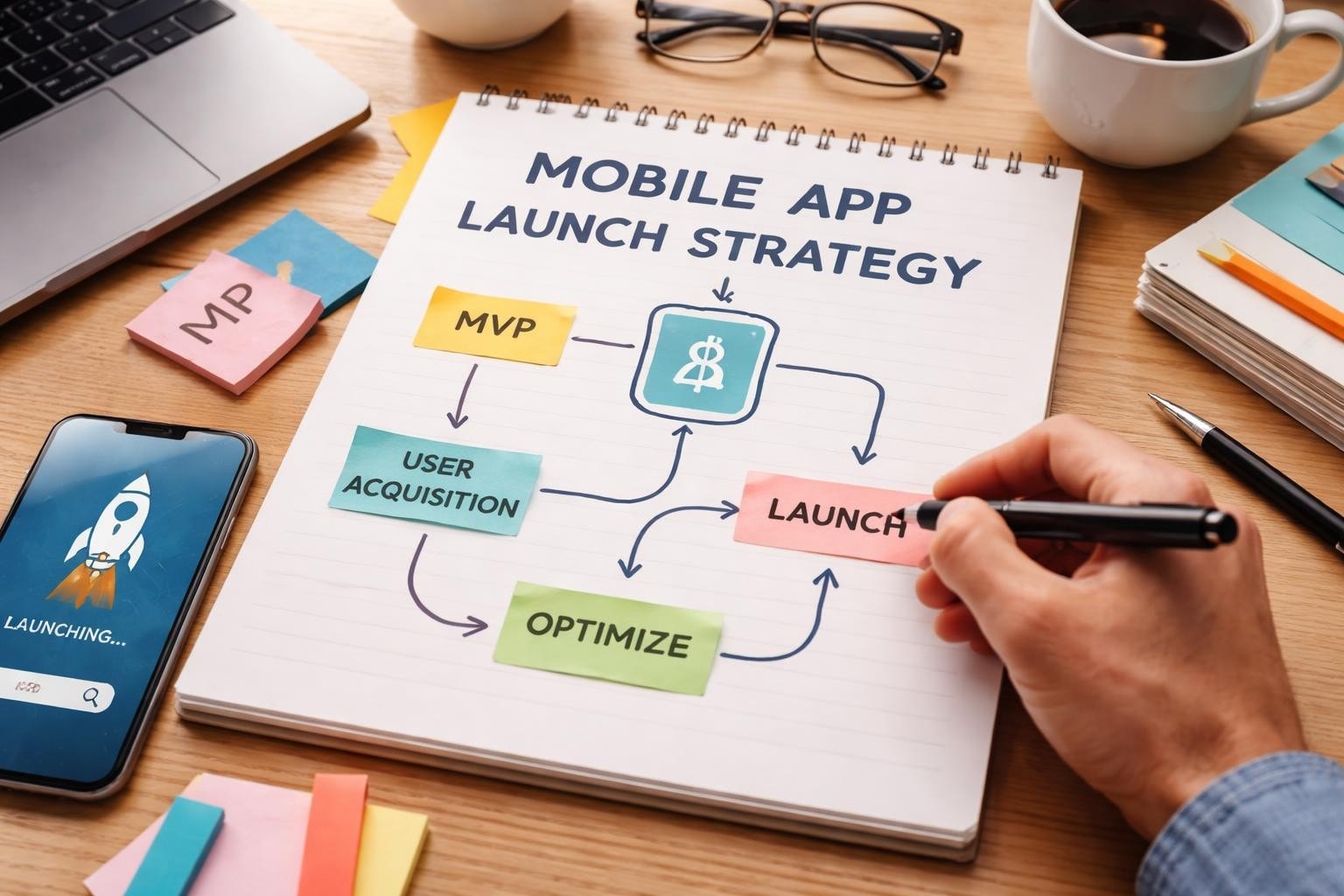

The decision to launch mobile app represents a pivotal moment for any startup or entrepreneur. After months of development, testing, and refinement, releasing your application to the market requires careful planning and execution. The mobile app landscape in 2026 demands more than just a functional product; it requires a comprehensive strategy that encompasses technical readiness, marketing momentum, and user engagement from day one. Understanding the complete launch process ensures your application doesn't just go live but makes a meaningful impact in an increasingly competitive marketplace.
Before you can successfully launch mobile app solutions, establishing a solid foundation is essential. This preparatory phase determines whether your application will gain traction or disappear amongst millions of competing apps.
Conducting thorough market research provides the strategic insights needed to position your application effectively. Start by analysing competitor offerings, identifying gaps in functionality, and understanding user pain points that your solution addresses uniquely.
Key research areas include:
Understanding your target audience goes beyond basic demographics. Develop detailed user personas that capture behavioural patterns, motivations, and the specific problems your application solves. This foundation informs every subsequent decision, from feature prioritisation to marketing messaging.

The value proposition must resonate clearly with your intended users. Whether you're launching a productivity tool, social platform, or e-commerce solution, articulating why users should choose your application over established alternatives requires precision and clarity.
Technical excellence forms the backbone of any successful launch. Rigorous testing protocols ensure your application performs reliably across diverse devices, operating systems, and usage scenarios.
| Testing Category | Focus Areas | Tools and Methods |
|---|---|---|
| Functionality | Core features, user flows, edge cases | Automated testing, manual QA |
| Performance | Load times, responsiveness, battery usage | Performance monitoring, stress testing |
| Security | Data protection, authentication, vulnerabilities | Penetration testing, security audits |
| Compatibility | Device types, OS versions, screen sizes | Device farm testing, emulators |
For founders working with no-code platforms, understanding how platforms like Bubble compare to custom coding helps set realistic expectations around technical capabilities and limitations. Quality assurance extends beyond identifying bugs; it encompasses ensuring the entire user experience aligns with your brand promise.
Beta testing with real users provides invaluable feedback that internal teams often miss. Recruit diverse testers who represent your target audience, gather systematic feedback, and iterate based on actual usage patterns rather than assumptions.
Strategic preparation before you launch mobile app creates the awareness and anticipation needed for a strong debut. Marketing efforts beginning weeks or months before release day establish credibility and generate genuine interest.
App store optimisation (ASO) functions as the foundation for discoverability. Without proper optimisation, even exceptional applications struggle to find their audience amongst millions of alternatives.
Essential ASO elements include:
The app store requirements and keyword optimisation strategies vary between iOS and Android platforms. Tailoring your approach to each ecosystem maximises visibility across both major platforms.
Review copy plays a crucial role in ASO rankings and user conversion. Encouraging early adopters to leave thoughtful reviews establishes social proof that influences subsequent downloads. Timing these initial reviews strategically amplifies their impact on app store algorithms.
Building anticipation transforms your launch from a quiet release into a noteworthy event. Email lists, social media communities, and strategic partnerships create momentum that carries through the critical first weeks.
Develop a landing page specifically for the application that captures interested users before launch day. This owned channel allows direct communication without platform intermediaries and builds a foundation of early adopters ready to download immediately upon release.
Content marketing establishes thought leadership and attracts potential users organically. Share insights about the problem your application solves, industry trends, and the development journey to build authentic connections with your audience.
When the moment arrives to launch mobile app solutions, execution precision determines initial performance. Coordinating technical deployment, marketing activation, and support readiness ensures a smooth introduction to market.
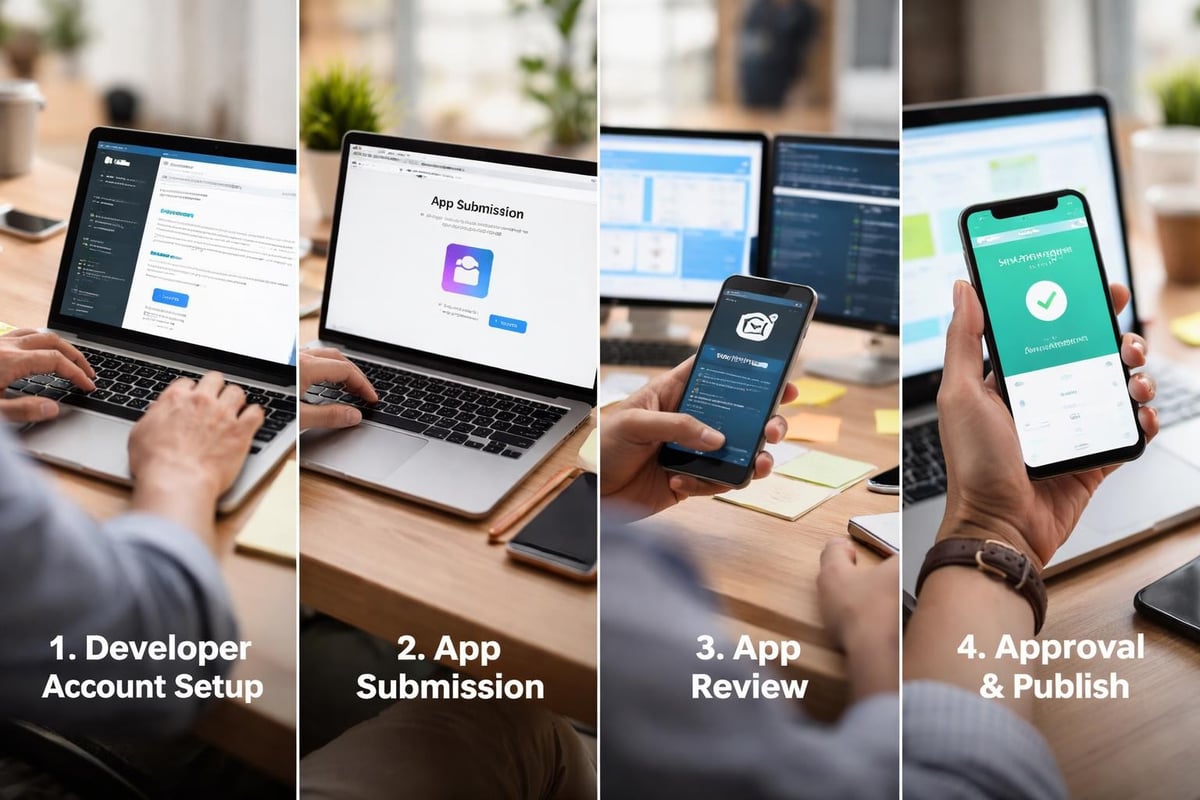
Navigating app store submission processes requires attention to detail and patience. Both Apple's App Store and Google Play Store have specific requirements, review processes, and approval timelines.
Following a comprehensive launch process checklist prevents common pitfalls that delay approval or result in rejection. Developer account setup, privacy policy documentation, and compliance with platform guidelines must be completed before submission.
Submission timeline considerations:
Planning submission timing around your broader launch strategy ensures approval aligns with marketing activations. Submitting several days before your intended launch date provides buffer for unexpected delays or required modifications.
Orchestrating multiple channels simultaneously maximises launch impact. Email announcements, social media campaigns, press outreach, and community engagement should activate in coordinated fashion.
The first 24-48 hours establish critical momentum in app store algorithms. Download velocity during this period influences ranking positions that affect organic discovery for weeks afterwards. Concentrating promotional efforts creates the spike needed to trigger algorithmic promotion.
Monitor performance metrics in real-time to identify and address issues quickly. Server capacity, crash rates, and user feedback channels require active attention during initial release periods when usage patterns may differ from testing environments.
The work intensifies after you launch mobile app products, as initial success depends on rapid iteration and user engagement. Implementing best practices immediately after launch positions your application for sustained growth rather than the common post-launch decline.
Active listening shapes product evolution. Users experiencing your application in real-world contexts provide insights that inform feature prioritisation, interface improvements, and bug resolution.
Establish multiple feedback channels:
Responding to reviews demonstrates commitment to user satisfaction and influences potential users evaluating download decisions. Addressing negative feedback professionally and implementing suggested improvements builds loyalty and advocacy.
Continuous monitoring identifies performance issues before they significantly impact user experience. Crash reporting, analytics platforms, and user session recordings reveal how people actually use your application versus intended usage patterns.
| Metric Category | Key Indicators | Optimisation Actions |
|---|---|---|
| Engagement | DAU/MAU ratio, session length, feature usage | Enhance onboarding, improve navigation |
| Retention | Day 1/7/30 retention rates | Reduce friction, add value reminders |
| Conversion | Sign-up rates, purchase completion | Optimise flows, reduce steps |
| Technical | Crash rates, load times, error rates | Fix bugs, optimise performance |
For entrepreneurs leveraging MVP development approaches, rapid iteration based on real user data validates assumptions and guides feature development. The minimum viable product serves as a foundation for continuous enhancement rather than a final state.
Sustainable growth requires ongoing marketing efforts beyond launch day. Effective deployment and launch strategies combine paid acquisition, organic growth, and retention tactics into cohesive frameworks.
Strategic paid advertising accelerates user growth when organic channels develop more slowly. Budget allocation across channels depends on target audience characteristics and campaign objectives.
Primary paid channels include:
Testing multiple channels with modest budgets identifies the most cost-effective acquisition sources before scaling investment. Cost per install (CPI) varies dramatically across channels and audience segments, making data-driven optimisation essential.
Building organic growth reduces dependency on paid acquisition whilst creating more sustainable user bases. App store optimisation best practices improve visibility whilst viral features and referral programmes encourage user-driven growth.
Content marketing establishes authority and attracts users searching for solutions to problems your application addresses. Blog posts, videos, and resources ranking for relevant search terms provide ongoing traffic without continued advertising investment.
Understanding how to build apps that encourage organic sharing influences design decisions that facilitate growth. Social features, sharing incentives, and network effects compound user acquisition as your base expands.
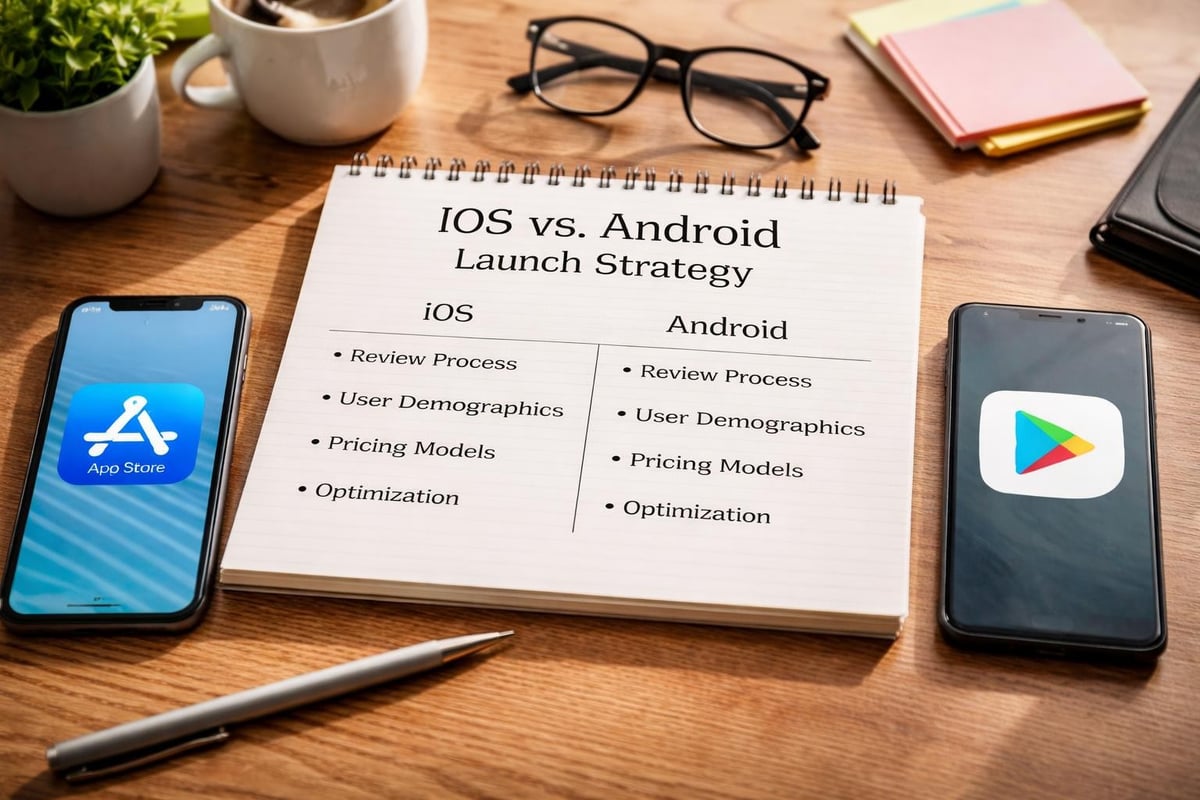
Successfully launching across iOS and Android requires understanding platform differences that affect strategy, development, and marketing.
Apple's ecosystem emphasises quality, privacy, and user experience. The App Store review process enforces strict guidelines that protect users whilst creating higher approval barriers.
iOS-specific factors:
Timing launches around iOS updates and device releases can capture attention during periods of heightened App Store activity. However, compatibility with new OS versions must be verified before major updates.
Android's open ecosystem allows greater flexibility whilst requiring broader device compatibility considerations. The Play Store's faster review process enables quicker iteration cycles.
Android users represent more diverse global markets with varying connectivity, device capabilities, and purchasing behaviours. Optimising for lower-end devices and intermittent connectivity expands addressable markets in emerging economies.
Initial launch success creates the foundation for sustained growth. Successful app launch tips emphasise that the first release represents the beginning rather than the culmination of your product journey.
User feedback, competitive analysis, and strategic vision inform feature roadmaps that guide ongoing development. Balancing quick wins with long-term initiatives maintains momentum whilst building towards larger goals.
Transparency about upcoming features builds anticipation and demonstrates commitment to continuous improvement. Communicating roadmaps through in-app messaging, blog updates, and community channels keeps users engaged between major releases.
For non-technical founders navigating app development, understanding how to prioritise features without technical expertise requires frameworks that evaluate impact versus complexity systematically.
Engaged communities transform users into advocates who promote your application organically. Forums, social media groups, and in-app community features foster connections between users and your brand.
Community engagement tactics:
Community feedback provides qualitative insights that complement quantitative analytics. Understanding user motivations, frustrations, and aspirations informs strategic decisions that data alone cannot reveal.
Planning for growth prevents infrastructure limitations from constraining success. Server capacity, database performance, and API reliability must scale alongside user growth.
Monitoring tools provide early warnings about performance degradation before users experience significant problems. Proactive capacity planning based on growth trajectories prevents emergency scaling situations that risk downtime.
For applications built on no-code platforms, understanding scaling capabilities and limitations informs decisions about when custom development becomes necessary. Many successful applications begin with rapid no-code launches before migrating performance-critical components to custom solutions as they scale.
Navigating regulatory requirements protects both users and your business. Data protection regulations, accessibility standards, and platform policies evolve continuously, requiring ongoing attention.
Compliance areas requiring attention:
Legal review before launch identifies potential compliance issues that could result in removal from app stores or regulatory penalties. Privacy policies, terms of service, and data handling practices must align with applicable regulations.
Successfully launching a mobile application requires coordinating technical excellence, strategic marketing, and user-focused design into a cohesive launch plan. The strategies outlined above provide a framework for navigating the complex journey from final development stages through post-launch optimisation. Whether you're building your first MVP or scaling an established product, Creator Concepts specialises in helping entrepreneurs and startups bring their visions to market through award-winning MVP development that validates ideas quickly and cost-effectively.
© 2025 CreatorConcepts Limited
128 City Road, London EC1V 2NX